标签归档 武汉狼盟

通过admin

Read the article: What is AI Agent after all?

The second half of the big model welcomes the CAMBRIAN Agent explosion.

540 million to 360 million years ago, marine life broke, and higher-level intelligence such as trilobites, sponges and chordates was born compared with previous single-celled or simple multicellular organisms. Similar to the CAMBRIAN explosion of life, experimental products such as BabyGPT, AutoGPT and Generative Agents have come out one after another.

From the perspective of evolution, the development of life is mainly realized by unit enhancement and organization enhancement. These two ways of enhancement complement each other, making life have more diverse and complex expressions.

Just like agent-we hope it is an agent that can think independently and interact with the environment in any system.

Now that it has a "brain" with enough IQ, how to make Agent think and execute like a human being-as long as any goal is given, it can automatically solve various problems. It is a "self" unit to further improve IQ and enhance agents; Or strengthen the "organizational" ability with the help of external modules?

Although today’s Agent can’t complete the general task, it is also difficult to form a dynamic stable body like the socialized division of labor among multiple cells. However, the local modules of individual Agents, such as HuggingGPT, have demonstrated their ability to use tools, including the fact that Plug-in has become an important milestone in the actual landing. In the second half of the large model, it will be the moment when the agent landed in Cambrian.

Where is the landing bottleneck of Agent at this moment? Can it reach GM from dedicated? What will multimodal bring to Agent? How will the future pattern evolve?

Just like the first cell born on the earth, even though the current Agent can’t replace our role in practical work, everything comes from this first cell, which is the starting point of agent evolution.

Even if you are confused about the landing of Agent, you should continue to "emerge".

Because the success or failure of Agent will be the key to decide whether this GPT revolution is a new generation of industrial revolution.

The following will think in a structured way, and where will Agent go?

1. What exactly is AI Agent?


A few days ago, the AI Town with 25 agents was officially open source, and the "westworld" AI Town was built with it. The interaction between AI Agents will deduce the evolution process of the whole civilization.

Andrej Karpathy, co-founder of OpenAI, also shouted: "AI Agent represents a crazy future."

What is an Agent? The word Agent originated from the Latin word Agere, which means "to do".In the context of LLM, Agent can be understood as an agent that can independently understand, plan and make decisions and perform complex tasks.

Agent is not an upgraded version of ChatGPT. It not only tells you how to do it, but also helps you to do it. If CoPilot is the co-pilot, then the Agent is the main driver.

A simplified Agent decision-making process, using function expression:

Agent: p (perception)-—> P (planning)-> a (action)

Similar to the process of human "doing things", the core function of Agent can be summarized as a cycle of three steps:perception(Perception), planning(Planning)And action(Action).

perception(Perception)Refers to the ability of Agent to collect information from the environment and extract relevant knowledge from it, planning(Planning)Refers to the decision-making process and action made by Agent for a certain goal.(Action)Refers to actions based on environment and planning.

Among them, Policy is the core decision of Agent to make Action, and action is observed.(Observation)It becomes the premise and foundation of further Perception and forms an independent closed-loop learning process.

This process is like Marxism’s "theory of practice": "Understanding begins with practice, through which theoretical understanding is obtained, and then returns to practice." Agent also evolved in the integration of knowledge and practice.

A more complete Agent must fully interact with the environment, which includes two parts-one is the Agent part, and the other is the environment part.At this moment, Agent is like "human" in the physical world, and the physical world is the "external environment" of human beings.

As you can imagine, the process of human interaction with the external environment: based on our full perception of the world, we deduce its hidden state, and combine our own memory and knowledge understanding of the world to make Planning, decision-making and action; And actions will react to the environment, giving us new feedback, and human beings will combine the observation of feedback and then make decisions, so as to go back and forth.

The most intuitive formula:

Agent = LLM+Planning+Feedback+Tool use

Among them, in the process of Planning, in addition to the current state, there are also memories, experiences, some reflections and summaries of the past, as well as world knowledge.

Compared with today’s ChatGPT, it is actually not an Agent, but a universal world knowledge, that is, a knowledge source for Planning. It is not based on specific environmental conditions, nor is it based on Memory, Experience and Reflection.

Of course, ChatGPT can do logical reasoning and certain planning based on its own knowledge, and it can also add vector database to solve reasoning problems, and add Reflection to enrich the process. In this way, ChatGPT, an end-to-end black box, can be made more explicit-in fact, symbols are a very explicit system, and based on this, it can be directionally corrected and promoted.

For Feedback, Agent gets positive or trial-and-error feedback, phased results or rewards based on Action. There are many forms of Feedback. If ChatGPT chatting with us is regarded as an Agent, the reply we typed in the text box is a kind of Feedback, just a kind of Feedback in text form. At this time, we are an environment for ChatGPT. RLHF is also an environment, an extremely simple environment.

"Man is human because he can use tools."

As an Agent, agent can also extend its functions with the help of external tools, so that it can handle more complex tasks. For example, LLM uses weather API to obtain weather forecast information. If you don’t call external tools, Action and Feedback can also deal with the environment directly by learning Policy.

It can be seen that Agent is the key to truly release LLM’s potential actively. As the core of LLM, Agent provides subjective initiative for LLM.

How to land the LLM today? LLM is an IQ engine, and other peripheral tools can be used as Prompt. Will LLM be an end-to-end system in the future? If there are not enough tools around, will there be a more general adaptation framework?

Second, the bottleneck of Agent landing is because "IQ" is not enough?


Agent itself uses two parts of abilities, one is LLM as its "intelligence quotient" or "brain" part, the other is based on LLM, and it needs a controller outside to complete various Prompt, such as enhancing Memory through retrieval, getting Feedback from the environment, and how to do Reflection.

Agent needs both brain and external support.

Is LLM’s own "intelligence quotient" not enough or its external systematization not enough?

If the degree of external systematization is not enough, it will be a long-awaited problem. If it’s just a problem of insufficient IQ, when GPT-4 becomes GPT-5 and has a higher IQ, it can make up for the previous problems.

So what is the main bottleneck of Agent?

To truly understand the crux of this problem, we can make wrong attribution first.That is to say, in the actual mistakes, it is clearly attributed to LLM itself or Prompt in the wrong way.

For example, ask the voice assistant "What’s the weather like?" The question itself is ambiguous-where is the weather? What day’s the weather? What information do you want to know about the weather? None of these problems can be solved by LLM itself, and it needs to call an external tool system.

If it is only attributed to "IQ", LLM only needs to understand "what’s the weather like". If there is a specific context, such as "what’s the weather like in Shanghai next month", whether LLM can infer accurate information based on this is a question of "IQ"; But what tools to call and whether the parameters to execute are accurate are not attributed to "IQ".

3. Can a more general external framework of Agent be realized in the future?

Many people regard LLM as the implementation of Agent, which is too simple and rude. For example, after setting a goal for Agent and defining some basic constraints, we expect it to complete the whole process of self-planning, task decomposition, self-prompting, and even calling external tools and giving answers. However, LLM itself is not trained in this way, and it certainly does not have this ability, but this is not due to the "IQ" problem.

From the perspective of Agent landing, external logical framework is still needed.

Although there are many kinds of Agent at present, most of them are superficial and not universal enough. Even the simplest Agent application, voice assistant or intelligent outgoing call system, its complexity and how to introduce environmental Feedback have not been effectively solved.

Therefore, in addition to a more detailed analysis of the errors, one question we should study is: Besides LLM itself being universal enough, will a universal external logic framework be realized to solve the problem of Agent’s real landing?

If we can’t find a common external logical framework, then the so-called AGI revolution may be just a bubble, a huge bubble, which may not be essentially different from the previous generation NLP.

At present, the landing of Agent is not only a question of "intelligence quotient", but also a question of how to get from special to general by external tools-and this is a more important question.

4. How can Agent have a universal adaptive environment? Do you need a learnable environment model?

What will happen if LLM is put into a virtual world?

In the game My World, NVIDIA developed the latest method, Voyager, to light up the technology tree at a speed of 15.3 times, and at the same time, he obtained 3.3 times of unique items and 2.3 times of exploration scope. The reason is attributed to GPT-4′ s in-depth understanding of the rules of the game and rich knowledge reserve, which comes from the pre-training process rather than the subsequent reinforcement learning.

From this perspective, in the process of optimizing Agent, we should not only pay attention to Feedback, but also consider how the model perceives the environment. So what is the relationship between the general brain and the environmental model, and how to cooperate? How does Agent arrive at General from Private?

At present, there are few good and universal landing effects of Agent, and most of them solve specific problems in specific scenes-LLM is used as a general brain and designed into different roles through Prompt to complete special tasks, rather than universal applications.

One of the key problems, namely, Feedback, will become a major constraint factor in the implementation of Agent, which is particularly evident in Tool use. For some simple problems such as weather query, it is only necessary to design an appropriate Prompt, but for complex Tools applications, its success probability will be greatly reduced.

It is impossible to make an Agent with LLM simply and rudely.

On the one hand, this approach ignores the importance of Feedback, on the other hand, even if LLM gets Feedback, it may not fully understand all the environments or Feedback by virtue of its "IQ", and it is even more difficult to adjust its behavior based on this.

In order to successfully land the Agent, it is necessary to give the Agent a more general adaptive environment. One possible solution is to create a small model dedicated to understanding and adapting the environment, so as to interact with LLM.

Because of super brain’s "IQ" part-LLM(such as GPT-4)Because the scale is too large, it is difficult to retrain specific Agent, and the small model can adapt to environmental changes and train many times. In this scene, we can regard LLM as the brain, and the small model is like the cerebellum, which acts as the middle layer to deal with the environment Feedback and interact with GPT-4.

So, what will be the implementation path of Agent from private to general?

Assuming that Agent will eventually land in 100 different environments, can a framework model be abstracted to solve all external universality problems under the premise that even the simplest external application is difficult to realize at present?

It may be one of the ways to realize the universal Agent by making the Agent in a certain scene to the extreme-stable and robust enough, and then gradually turning it into a universal framework.

5. How important is multimodal in the development of Agent?


Now GPT-4 is to convert all the contents into text language, and then human beings will Prompt it. First of all, the transformation process may lose information or produce errors, which may lead to the deviation of the results.

The next version of GPT, if it can realize the super ability of multimodal understanding, will it alleviate the unreliability and information loss and deviation of today’s Agent to some extent? What will be the relationship between multimodal and Agent?

If LLM does not need to interact in the real world, but only performs a specific task in the virtual world, then multimodal may not be very helpful for completing the task. But if LLM needs to interact with the real world, then multimodal is undoubtedly very important.

Multimodal can only solve the problem of Agent’s perception, but not the problem of cognition.

In many cases, such as intelligent customer service scenarios, users may provide information in a variety of ways. Multimodal has good perceptual value, but it is still far from solving some core problems such as logic and reasoning.

Multimodal is an inevitable trend, the future big model must be a multimodal big model, and the future Agent must also be an Agent in a multimodal world.

When developing text-based agents, when the multi-modal watershed moment comes, do these agents continue to develop on the basis of the original text and further integrate multi-modal characteristics? Or do you need to completely change the original concept and architecture of developing Agent to adapt to the future multimodal world?

The development of Agent does not need to be completely reinvented, but once Agent has multi-modal ability, it will be completely different from the existing model. For example, the next generation version of GPT may contain some more powerful multimodal understanding functions such as images. We don’t have to rush to build such a model immediately, but we can also choose to call such a module first, that is, it is best to build the multimodal understanding function into the model.

After half a year, we will see the arrival of multi-modal large models. The arrival of multimodal Agent may be faster than we thought.

First of all, many large companies are developing multimodal in general by stockpiling arms. The accumulation of this quantitative change is very likely to lead to qualitative change, and actual products may be launched soon. Secondly, the Agent people expect is an assistant like human beings. He can not only talk, but also see, hear and feel. Theoretically, an excellent Agent should be able to realize multi-sensory and multi-modal interaction, and both Perception and Policy need multi-modal.

With the release of RT-2, a new visual language action model, VLA, has realized the ChatGPT of the entity robot by stuffing the multi-modal large model into the manipulator. ?

From the trend point of view, the future Agent must be multimodal. Multi-modality must be necessary for Agent to succeed.

In the aspect of multimodal interaction, Digital Man also provides a good example, which shows the advantages of calling external tools. When the big model calls digital people, because the images have been set in advance, we don’t have to worry that it will suddenly generate the image or voice of a political figure, even his illusion.

Although it is euphemistically called "generative AI", it is better to call external tools in its "generative" part to ensure its certainty and avoid the illusion of the big model.

For example, in multimodal interaction, if you want LLM to play Trump and directly generate a congratulatory video, it is likely to be risky. It is safer and more controllable if LLM only generates scripts and then calls the established digital human and sound interface to synthesize video.

6. Will multi-agent really succeed?

Now the Agent is still a caveman, but the interaction of more AI Agents will change everything.

In the Generative Agents experiment inspired by the simulated life game, each role is controlled by an AI Agent, and they live and interact in a sandbox environment, which fully embodies the process of turning feedback and environmental information into action and realizing the "socialization" of AI Agents.

In the process of planning and response, AI Agents will fully consider the relationship between each other and the observation and feedback of one Agent to another Agent to take the next step.

This interesting simulation has led to some dramatic social phenomena, such as the spread of "rumors" and relational memory. In the experiment, two AI Agents often continue their previous topics, hold Party, call friends and other social activities.

Obviously, the real landing of Agent must be based on the perception of environment, dynamic learning and continuous updating.

7. In what scene did Agent first land?

As early as February this year, some online education companies began to be active in the discussion of big models. "Our industry, if we don’t act again, will be the first to be subverted." When most companies haven’t felt the impact of the big model, people from a head online education company first make predictions and worries.

And which industries will be subverted by Agent first, and which industries will not be so fast?

The ability of large model is well known, but "IQ" is only a part of the landing of Agent. Even if OpenAI claims that AGI has come, it is difficult to make practical applications if you know nothing about the industry.

Just like a doctor at Stanford, if you don’t understand the industry and product attributes of a company, then the initial work will be very difficult. Therefore, we need to discuss more deeply which industries are more suitable for Agent landing.

For example, the online education industry that can be completely online and digital, especially during the past three years, many offline industries have been hit, while the online industry has developed rapidly because of the advantages of digitalization, and it will be subverted by Agent first. In contrast, robots or traditional industries are more difficult to be subverted in a short time.

At present, whether in China or the United States, a new consensus is gradually forming: firstly, Agent needs to call external tools, and secondly, the way to call tools is to output codes-LLM brain outputs an executable code, such as a semantic analyzer, which understands the meaning of each sentence, then converts it into a machine instruction, and then calls external tools to execute or generate answers.

Although the present form of Function Call needs to be improved, this way of calling tools is very necessary and the most thorough means to solve the illusion problem.

8. Will the future development pattern of Agent be a hundred flowers blossom or Winners take all?

In the future, the competition pattern of big models is becoming increasingly clear, and it is inevitable that several companies will dominate or be based on open source.

And in the next year or two, what will be the market structure of Agent, and will it form the same situation?

Because Agent can’t be universal, Agent is not a monopoly, but will form a very long tail supplier pattern. There will be many Agent in the market, each of which is operated by a different company.

Like the previous generation NLP, many AI companies provide intelligent customer service or automatic outbound service, but each company can only serve a few customers and cannot form scale effect. Based on the technical judgment of Agent today, it is not much different from the previous generation.

Although the semantic understanding of LLM is universal, the combination of Agent environment and domain we discussed before is not universal, which will lead to a very scattered market, and no stronger company will appear.

Of course, Agent is also divided into depth.(major)And shallowness(universal)Two types.

We want to be a general Agent. In the market environment of China, if an Agent is deeply integrated with the enterprise, it will eventually become "outsourcing" because it needs to be privatized and integrated into the enterprise workflow. Many companies will compete for big customers in insurance companies, banks and automobiles. This will be very similar to the outcome of the previous generation AI company, and the marginal cost is difficult to reduce, and it is not universal.

The future is the world of Agent. Under the Agent process today, the story of AI yesterday is still repeated, and the privatization deployment will face challenges.

This article comes from WeChat WeChat official account:Brother Fei said AI (AI(ID:FeigeandAI), author: Gao Jia

通过admin

No clothes, no robes: designing "barrier-free clothing" for the disabled

  Zhang Xiaoli is designing clothes. The picture is provided by the interviewee
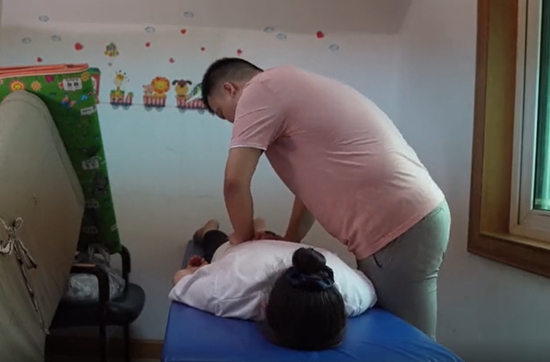
  Xu Jinze is massaging his clients. The picture is provided by the interviewee

  Life photos of Ganshanna. The picture is provided by the interviewee
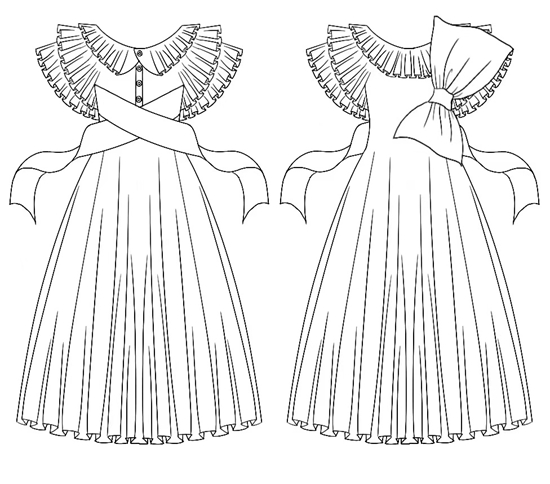
  Zhang Xiaoli’s team designed a dress for Ganshanna. The picture is provided by the interviewee
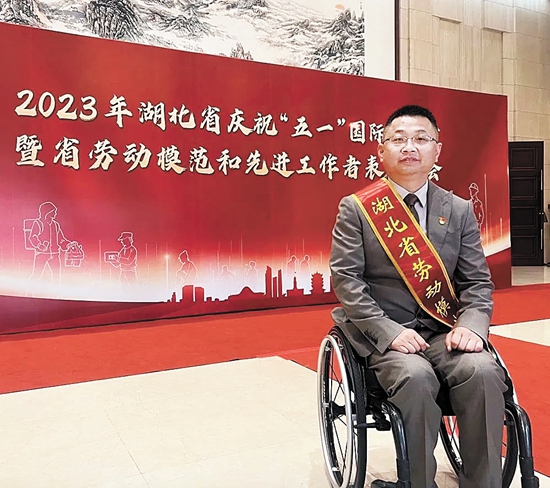
  Hu Wenbing was awarded the honorary title of Hubei Model Worker. The picture is provided by the interviewee

  "Try not to go out and drink water."

  It takes Wang Juan 20 minutes to an hour to get dressed once.

  As a paraplegic patient with cervical spinal cord injury, she has no consciousness below the clavicle, only her arms can move slightly. Dressing is the first topic every day among the many difficulties she has to face in life.

  After years of exploration, Wang Juan has developed a suit of dressing procedures.

  First of all, she needs someone to help her. This person is usually her mother. Every morning, Wang Juan lies flat on the bed, and her mother lifts her leg, first puts the foot cover into trouser legs, and then pulls the waistband up a little. Usually at the thigh, the pants can’t be pulled. Mother wants Wang Juan to lie on her side, lift her waist and thighs, and then continue to pull the pants until she can’t.

  Then the other leg, repeat the same process until the pants are completely put on.

  "It’s like a pancake that has been tossed from side to side." Wang Juan teased himself.

  Put on her pants and she can be moved to a wheelchair to put on her coat. The upper body is out of control, so she can only lie in her mother’s arms and keep her back hanging with her mother’s support, so that the clothes piled up at the shoulder and neck can be pulled down.

  There are few clothes in summer, and in winter, from thermal underwear to knee pads, you have to put them on your body layer by layer, so Wang Juan chooses to go out less.

  I have to bend down to dress my daughter. Wang Juan’s mother suffers from lumbar muscle strain. Although she has raised the bed and put on an auxiliary belt, she still needs to rest several times during dressing. Looking at all this in bed, Wang Juan couldn’t help thinking, "What should I do if my mother can’t take care of me one day?"? I want to go back to the original appearance and stay in bed? "

  There are more than 85 million disabled people in China. In recent years, their situation has attracted more and more public attention, and the construction of barrier-free facilities in public spaces has been improved. However, in private spaces, they still have many individual and specific needs, and dressing is one of them.

  For Li Feiyu, 24, dressing is no longer a problem. When she was 7 years old, she was paralyzed by acute myelitis, and for the next 17 years, she was accompanied by a wheelchair. The mother did not take care of her daughter as a weak person, but asked her to take care of herself as much as possible within her ability.

  Li Feiyu can’t remember the details of learning to dress as a child, leaving only the impression of "very hard and difficult". What she remembers deeply is a set of dressing movements that have been practiced. Li Feiyu feels that it is more difficult for many people who encounter disability difficulties in adulthood to learn to wear clothes than themselves.

  Li Feiyu works as a volunteer tutor in a public welfare project called "Life Reconstruction", teaching people to wear undresses in wheelchairs. I can’t talk about any skills. Most of the time, the tutor can only do it by himself. By repeatedly undressing, the students can follow suit.

  It is not difficult to learn the process and skills. After two or three days of classes, most students can master the basic skills. The hard part is that after that, they need to let their skills and limbs run in for a long time, and finally find the best dressing tips for them.

  Li Feiyu remembers a former weightlifter. After the girl was paralyzed by spinal cord injury, she became strongly dependent on her parents and relatives and refused to take care of herself. When she first entered the training camp, she called the nurse for help in everything. Li Feiyu patiently guided her and taught her how to dress independently. Pants can’t be lifted up, and girls used to think that they were not strong enough. "But she is a weightlifter. It can’t be a matter of strength. She just didn’t find the trick." Li Feiyu recalled.

  "This is a cognitive problem. Many disabled people think that I am sick, I can’t, and others have to help me. This concept is very dangerous. I hope disabled friends can have a more independent life." Wang Juan said.

  "Independence" is limited after all. For example, when going to the toilet, the reporter learned in the interview that many wheelchair users with lower limbs paralysis will try not to drink water when going out, because going to the toilet is very troublesome. They need to lift their bodies from the wheelchair with their arms, and then one person will help them to take off their pants. Because their lower limbs can’t stand, they can’t sit on the toilet in a normal posture like ordinary people. Someone needs to set them up and ride backwards on the toilet with the barrier-free handrail.

  In 2006, Wang Wenjuan, who taught in the Department of Fashion and Costume Design of Beijing University of Technology, went to Chaoyang District Disabled Persons’ Federation for investigation. A wheelchair user calmly showed her the whole process of going to the toilet, while the scholar cried.

  She thought, there is a surplus of fashion for the able-bodied and the disabled have never owned their own clothes in the real sense. "We should see more of the needs of these minorities."

  Real designers are not designers.

  The concept of "barrier-free design" was born in the architectural field at the beginning of the 20th century. The original intention of this concept is to create a "convenient, safe, equal and participatory" space for the disabled by using modern architectural design skills.

  At the beginning of this century, in China, few people tried to combine "barrier-free" with "clothing design". Therefore, when the design team of Beijing University of Technology began to do relevant research, everything seemed to "cross the river by feeling the stones".

  Wang Wenjuan recalled that she and her team members sought support from the Disabled Persons’ Federation and set up a research meeting. However, most people with disabilities are inconvenient to go out, so they go to other activities organized by the Disabled Persons’ Federation to conduct on-the-spot research while the participants are resting. In order to better understand the immediate needs of the disabled, they will try to reconstruct the scene, such as tying their arms with ropes to simulate armless people, or wearing protective gear to experience the feelings of hemiplegic patients.

  In such research, they found some real needs. For example, most armless people use their feet instead of their hands, so they need to consider adding more functional designs to their lower body clothes, "putting pockets on their legs"; The underarms of crutches bear pressure and friction for a long time, so it is necessary to consider increasing the wear resistance and breathability of the underarm fabric of their tops; Visually impaired people have higher requirements for shoes. When they walk, they usually need to "explore the road with their feet", and the wear rate of shoe tips is high.

  Different types of disabled people have different needs for clothing. Even people with similar disabled parts, individual differences in concept, symptoms and body shape make their demands for clothing different. These demands are hidden and complicated, which put forward very high requirements for the preliminary research work of the design team of Beijing University of Technology.

  "Wheelchair users" is the research focus of the design team of Beijing University of Technology. On the one hand, they have the most prominent clothing barriers, and on the other hand, people with physical disabilities are the largest in all disability categories, accounting for about 29%.

  For "wheelchair people", clothing design should not only realize the basic functions such as "putting on and taking off conveniently", but also pay attention to the needs of many details. For example, pants should be high-waisted, because they usually need to wear diapers to go out, and high-waisted pants can cover the upper edge of diapers; The crotch design needs to be wider than ordinary people’s pants, because wheelchair users sit for a long time all the year round, and the waist and buttocks are easy to accumulate fat; Cuffs are easy to wear because they often push wheelchairs, and at the same time, complicated design should be avoided to prevent them from being involved in wheelchairs; For men, ordinary belts and front crotch zippers may cause sedentary discomfort.

  "People with disabilities are eager for us to solve the problem. In fact, they didn’t have much idea about clothes before, thinking that clothes should be worn like this and they are used to it." Wang Wenjuan said.

  Before understanding the concept of "barrier-free clothing", Zhang Xiaoli was such a patient. At the age of 11, she was forced to sit in a wheelchair because of the severe kyphosis deformity of 180 degrees, which compressed her nerves and caused paralysis of her lower limbs.

  "I used to feel unconsciously that there were no clothes suitable for us. I couldn’t buy clothes and I couldn’t wear the confidence of ordinary people." Zhang Xiaoli recalled, "I have never worn a skirt beautifully, and it is my biggest dream to wear a dress properly."

  Twelve years later, 23-year-old Zhang Xiaoli finished spinal orthopedic surgery and put on a skirt. She cried happily, which also prompted her to think further: "Why are there no clothes specially made for the disabled?"

  In 2021, Zhang Xiaoli came across the enrollment brochure of Chengdu Textile College and came up with the idea of making clothes for the disabled. She applied for this school and began to study fashion design. With the support of her teachers, she established a design team of "barrier-free clothing".

  She named this project "23-degree Clothing Setting" because in her hometown of Aba Prefecture, Sichuan Province, 23 degrees Celsius is the most comfortable temperature, and she also learned that the most comfortable temperature that human body can feel is 23 degrees Celsius.

  "This is what I understand as barrier-free clothing. People with disabilities can find the most suitable and comfortable feeling by wearing such clothes." Zhang Xiaoli said.

  In Wang Wenjuan’s view, the core of "barrier-free clothing" is its functionality, and "solving problems is the first purpose". For example, she and her team designed the "barrier-free and convenient pants" for wheelchair users, and designed the pants as a piece of cloth-style fully open style. Instead of lying on the bed as before, they can be spread on the wheelchair, sit directly on it, and then zip the open cloth edge. At the same time, in order to solve the toilet problem of wheelchair users, this team has made a crotch design that can be opened and closed directly from behind, reducing the steps of wearing and taking off.

  Wang Wenjuan recalled that to design a barrier-free garment, it is necessary to know the actual needs of the disabled people through investigation and study, and make repeated measurements and communication during the design process to constantly confirm the specific situation of the wearer.

  "It’s not a one-off event, but an iterative process." Wang Wenjuan said, "So the real designers of barrier-free clothing are not the designers themselves, but those with disabilities. We just help them complete the design according to their needs."

  Put it on, not hide it.

  Zhang Peng, a professor at the Department of Fashion Design of Beijing University of Technology, pointed out that it is important to consider the functionality when designing barrier-free clothing, and at the same time, it is also necessary to consider the wearer’s acceptance in psychology and emotional dimension, and it is necessary to pay attention to both function and aesthetics.

  In the survey, the team found that when people with disabilities are asked about their demands on the appearance of clothes, their expression is often: "Please let me be like a normal person."

  "Being normal" is Ganshanna’s dream.

  Similar to Zhang Xiaoli, Ganshanna suffers from severe scoliosis. Looking from the back, her right waist is empty, while her left waist protrudes high, and the height difference between her shoulders is significant.

  When she was a child, Ganshanna never dared to think about her "favorite clothes" because she could only wear "suitable clothes". When mother and grandmother buy clothes for her, the first principle has always been "how to better cover up the physical abnormality".

  Ganshanna wears a lot of clothes that she doesn’t like, but she never asks, "because I think it’s good that I can have clothes to wear."

  She drew her longing on paper. The clothes she likes but can’t wear are quietly hidden in the album by her. "It seems that they belong to me after painting." She remembers that there was a beautiful girl in the class who had beautiful and inexhaustible clothes. Ganshanna was a little jealous, but more envious. "I want to be friends with her, and I want to be close to my ideal type."

  The reality is that Ganshanna’s fantasy is always broken by her classmates’ abuse of "monsters". She suppressed her desire for beautiful clothes. "I don’t think anything a little better suits me, so I can’t think about pursuing it anymore."

  Wang Juan and Ganshanna have similar mental processes.

  Recalling the days before the car accident at the age of 19, Wang Juan would talk about her fighting with friends, running, shopping and wearing high heels herself.

  There used to be many pairs of high heels in Wang Juan, with different materials, colors and heel heights … … Fill the shoe cabinet. Later, she got into a wheelchair and threw away all her high heels.

  She said that you don’t need many shoes in a wheelchair, because you don’t need to walk, and a pair of shoes can last for a long time. For her paralyzed lower limbs, a pair of shoes is far more important than "good-looking". Give her shoes, mother should squat down in front of her legs, try to loosen her knees, and then slowly put her feet into the shoes. There is always a toothbrush in the storage bag on the back of her wheelchair. When she can’t put on her shoes, her mother will use the toothbrush back to smooth the toes in the shoes.

  Wang Juan always wears those pairs of shoes that are convenient to put on and take off, and more importantly, "I don’t want to see my old high heels again."

  A few years before the accident, Wang Juan was lying in bed all day, counting the folds on the curtains, counting from left to right, and counting the concave surfaces before counting the convex surfaces. "That’s the only place my eyes can see except the ceiling.".

  At that time, she no longer had any expectations for life and the future.

  The turning point came in 2015. Teachers from the local Disabled Persons’ Federation Rehabilitation Center found Wang Juan and invited her to participate in a public welfare training camp for people with spinal cord injuries.

  "I don’t know how to describe it in words, but this training camp has such magic. You have found a group life similar to yours. When you see others’ self-confidence and cheerfulness, you will feel that I can change my life and live well."

  Wang Juan recalled that when he first entered the camp, many people didn’t wear shoes, or wore colorful thick-soled wool socks knitted by rural elders. She explained that these people are at home all the year round and have no need to go out, so they don’t need shoes; Or they want to continue the state at home, what it is like at home, and it is still the same outside.

  There is a boy with a head of hair that obviously collapses on one side. Wang Juan thinks of herself. She also has the same hairstyle when she is in bed all the year round. She used to love to wear clothes, go shopping and buy fashion. After paralysis, she wore a flower sleeping jacket all day. "I don’t think there is any problem with this. It seems that everyone agrees that this is what I should wear."

  When she arrived at the training camp, Wang Juan saw that some injured friends who were also in wheelchairs were dressed appropriately. After returning home, she asked her mother to take out one of her down jackets and didn’t want to go out in cotton pajamas. Mother’s first reaction was to refuse. She concluded that Wang Juan could not put on her old clothes, and most of them were given away or thrown away.

  At Wang Juan’s insistence, her mother helped her put on the down jacket. It was just a very ordinary and plain black down jacket, but she never forgot it.

  Wang Juan asked her mother why she felt that she couldn’t wear her old clothes. She remembered her mother mumbling, "I don’t know what to think, but I think you can’t wear your old clothes."

  After the training camp, at a party with injured friends, Wang Juan bought the first hairband after the injury. "You ask me why I want to buy it? I don’t know. But I saw it when I was shopping. At that moment, I saw myself through the mirror. I thought I was beautiful. I think I want to have it, I should have it, and I deserve it. "

  Ganshanna has also gained the sense of beauty and dignity brought by dress.

  When she was a freshman in high school, she bravely tried on a lavender "Lolita" dress under the recommendation of a friend. For her who has always had a strong sense of inferiority, it is a great challenge to try such a gorgeous dress style. Unexpectedly, she won the admiration of her classmates.

  This is the first time Ganshanna has gained confidence because of her appearance. After that, she tried different styles of dresses. With the support and encouragement of her friends, she gradually became indifferent to the negative comments.

  "People who praise me will shout it out louder." She said, "I feel that I also have the right to pursue beauty."

  When she was in college, Ganshanna heard of Zhang Xiaoli’s "23-degree dress-fixing" project in a fashion design competition, and "she felt stabbed in the heart at once". This is also the first time she has heard of "barrier-free clothing".

  After getting to know the Zhang Xiaoli team, Ganshanna has a "customized skirt". The "A-shaped" version well covers her distorted waistline due to scoliosis, and the bow that unfolds obliquely at the back visually adjusts her high and low shoulders.

  This dress also implies the blessing of Zhang Xiaoli team members to Ganshanna: "I hope she can change like a butterfly."

  The design is trapped in the drawings.

  When studying "barrier-free clothing" in 2006, the Department of Clothing and Clothing Design of Beijing University of Technology was still a "lonely pioneer". Nowadays, it has many "teammates", and many universities across the country have successively carried out research on "barrier-free clothing". However, until today, many design concepts are still trapped in drawings, and there are few real industrialized products.

  Some international clothing brands have also entered the field of design and production of barrier-free clothing. Tommy Hilfiger, an American casual clothing brand, designed jeans that can cover artificial limbs for people with disabilities; Nike, a sports brand, has developed a series of "GO FlyEase" sports shoes for the disabled. Some barrier-free fashion brands have emerged, such as Rebrith Garment and Tenbo. According to the report of Coherent Market Insights, an international data analysis organization, the global barrier-free clothing market is expected to reach 400 billion US dollars in 2026.

  Since 2017, several domestic enterprises have contacted the service team of Beijing University of Technology to discuss cooperation matters, including a well-known down jacket enterprise. Finally, after being evaluated by the marketing department, the brand gave up its investment and turned to overseas markets with more profitable space. There are also some venture capital companies that are more willing to speculate on concepts.

  "We hope to serve social groups, but corporate investors are more concerned about benefits." Wang Wenjuan helpless way. She understands the concerns of enterprises, and the research and development of "barrier-free clothing" is difficult and the production cost is high. Choosing "barrier-free clothing" means rebuilding the team and production line. "All design teams and technical teams … … The materials may be different from before, and the risks faced by enterprises are great.

  In addition, different from the garment design of healthy people, the individual status of disabled people is very different, and there is no "standard size" due to the lack of relevant measurement data, which makes it difficult to achieve assembly line mass production of garments and needs to be customized according to individual needs.

  "The ideal state is to be able to solve individuality from commonness." Wang Wenjuan said. But it also means greater investment in research and development.

  Wuhan textile University professor Yan Jun introduced that the overall size of foreign garment industry is small, with a long development time and a high degree of refinement. "They can have 11 sizes for a pair of trousers, and we may generally have only 4 sizes. Foreign garment enterprises are more accepting of the complexity of garment production."

  China’s clothing industry has the origin of cooperation with foreign trade enterprises after the reform and opening up, and it has the gene of mass production itself. Mass production is the consensus of many clothing enterprises, which will also affect the willingness of enterprises to invest in "barrier-free clothing".

  Compared with the high cost of original design, the cost of pirated clothing is low. According to Wang Wenjuan, in recent years, China has paid great attention to the protection of patent property rights, and the designers’ association has been studying the issue of clothing copyright, but clothing is too easy to be pirated. "You have worked hard, and if you put it into the market, it may be pirated immediately. You are helping them develop it at no cost."

  Even if we can go to the last stage of production, sales will be a big problem. There are more than 85 million disabled people in China. On May 15th this year, the China Disabled Persons’ Federation held a theme conference on the Day of Helping the Disabled, indicating that by the end of 2022, 10.455 million disabled people would be included in the minimum living guarantee. Most people with disabilities have low economic level and poor consumption power. The price of "barrier-free clothing" of foreign brands is thousands of yuan, which is difficult for them to afford.

  "The difficulties faced by barrier-free clothing are all aspects. It is a comprehensive and systematic problem. It is indeed valuable, but it is also difficult and needs to be promoted slowly." Wang Wenjuan concluded.

  Clothing is a symbol.

  Xu Jinze is a visually impaired person who has long been concerned about the protection of the rights and interests of disabled groups. In his view, the development dilemma of "barrier-free clothing" essentially reflects the general survival dilemma of disabled groups.

  He cited his visually impaired group as an example. On the surface, most visually impaired people’s dressing styles are very simple, simple and conservative. On the one hand, it is because of visual impairment that they limit their imagination of dressing. The deeper reason, he thinks, is that the visually impaired group "has a single living and growing environment, which leads to their single demand for beauty and clothing."

  He has been engaged in massage for the blind for a long time and is currently a partner of a chain massage brand. According to him, there are 17 million visually impaired people in China, and about 1.8 million people have formal jobs, and 90% of them are engaged in massage for the blind. On the other hand, most visually impaired people were educated in blind schools and grew up in a closed environment.

  "The environment in which we grow up, live and work defines our future, and clothing is just a representation under this definition. When we discuss clothing, we should pay attention to the humanistic factors and social problems behind it. "

  Compared with discussing "barrier-free clothing" from an industrial perspective, Xu Jinze believes that what this field needs more is actually a kind of "multi-integration" of society. The relationship between healthy people and disabled people should not be simply "seeing and being seen", but "accepting and being accepted". "We are all surrounded by a specific environment. It is not that you are unwilling to help us. It is that you can’t find our needs, and even we don’t know our own needs. We are separated."

  Xu Jinze mentioned that in Japan, visually impaired students can also study in normal public schools, and there will be teachers in charge of special education who will come to the school and class where the student is located to help him coach Braille and have barrier-free communication with his classmates. If this process continues from primary school to higher education, the student will naturally blend in with the surrounding environment, and after graduation, he will have the opportunity to engage in more kinds of jobs, without having to call for "getting to know each other" after he becomes an adult.

  Hu Wenbing, vice chairman of Wuhan Association for the Disabled, also stressed the importance of integrating the disabled into society.

  Hu Wenbing used to be an executive of a central enterprise. At the age of 37, he was disabled by a car accident. After the injury, he promoted the establishment of a "life reconstruction" public welfare training camp, aiming at helping the disabled to adjust their mentality, learn skills and reintegrate into normal society.

  Dressing teaching for wheelchair users is an important course of "Life Reconstruction" project, and Hu Wenbing is happy to see people’s concern about the dressing needs of disabled people.

  "Now it is no longer a society where people with disabilities are confined to their homes, especially those who are disabled the day after tomorrow. Many people have good academic qualifications and jobs before, if they can put on and take off their clothes and ‘ Erbian ’ If the problems are handled well, then they will have more opportunities to make their own careers in society. "

  In the training camp, Wang Juan saw many students regain their willingness to dress up in mutual support. Some people took off their knitted wool socks and put on fashionable snow boots, and began to pay attention to dressing decently and beautifully like healthy people.

  Wang Juan remembers that once, she and her friends were asked in the street where the wheelchair was rented. "I mistakenly think that we are healthy people who are too lazy to walk. It didn’t happen before. When others look at it, I think it is a disabled person or a patient. "

  Wang Juan also saw that a group of disabled people were rebuilding their lives with love and support. Clothing has become a symbol, expressing her and many disabled people’s demands and expectations to integrate into society. In her view, this expectation is nourished by the support and care of many parties in society, which is in line with the original intention of the birth of the "barrier-free concept".

  Although the development of "barrier-free clothing" still has a long way to go, the research team of the Department of Fashion and Fashion Design of Beijing University of Technology is still willing to remain optimistic. They said that in recent years, they have received more and more attention from multimedia, universities, enterprises and non-profit organizations. This concern itself represents the development trend of social concepts. At least in the field of fashion design, they hope that "barrier-free clothing" can convey an idea to students and the public:

  "Don’t be satisfied with your immediate needs, but pay more and more attention to others and society."

  Zhongqingbao Zhongqingwang Trainee Reporter Yan Sitong Source: China Youth Daily

通过admin

Ministry of Transport: In 2023, Spring Festival travel rush successfully closed, and the flow of people in the whole society exceeded 4.7 billion.

Cctv newsAccording to the WeChat WeChat official account news of the Ministry of Transport, according to the preliminary summary calculation, in 2023, in 40 days in Spring Festival travel rush, the total social mobility was about 4.733 billion person-times. Among them, the business passenger traffic was about 1.595 billion, up by 50.5% compared with the same period in 2022, and recovered to 53.5% in the same period in 2019. Railways, highways, waterways and civil aviation sent 348 million, 1.169 billion, 22.452 million and 55.214 million passengers respectively, up by 37.5% and 558.8 million respectively compared with the same period in 2022. The national expressway passenger car traffic totaled 1.184 billion, and the passenger capacity was about 3.138 billion, an increase of 18.6% over the same period in 2022 and 17.2% over the same period in 2019. On the whole, in 2023, Spring Festival travel rush has sufficient transportation capacity, orderly transportation organization, stable security situation, effective prevention and control measures, and strong service guarantee, achieving the goal of "safe, healthy, convenient and comfortable travel for the people and smooth and orderly transportation of key materials".

This year, Spring Festival travel rush has the following characteristics.

First, the traffic volume of passenger cars on expressways reached a record high. The public’s willingness to travel by car has been significantly enhanced, and the policy of free passage for passenger cars with less than 7 seats continued during the Spring Festival holiday. During the period of Spring Festival travel rush, the number of self-driving trips reached a record high, with the passenger car traffic on the expressway reaching 60.291 million on January 27th (the sixth day of the first month), which was the historical peak.

Second, the business passenger flow has rebounded sharply. The people’s accumulated travel demands such as returning home for the New Year, visiting relatives and friends, traveling on vacation and business trips have been released, which has led to a rapid increase in passenger flow. The turnover of people in the whole society and business passenger traffic have reached new highs since Spring Festival travel rush in 2020.

Third, there is a strong demand for transportation of various key materials. The implementation of "Class B and Class B Management" coincided with the beginning of Spring Festival travel rush. The transportation demand of medical materials in China increased sharply, and key materials such as energy and people’s livelihood were in a critical period of ensuring supply and transportation. During the period of Spring Festival travel rush, the transportation demand of various key materials was intertwined.

Fourth, the optimization and adjustment of epidemic prevention and control have landed smoothly. Spring Festival travel rush’s epidemic prevention and control measures were carefully implemented, employees strictly carried out protection, and the public actively implemented personal health protection responsibilities. In the case of large-scale flow of people and logistics, cross-infection was prevented to the maximum extent, and the health of passengers was guaranteed. The "Class B and B Management" landed smoothly in the field of transportation.

The national transportation system will thoroughly study, profoundly understand, resolutely implement, and solidly implement the spirit of the important speech delivered by the Supreme Leader General Secretary on the eve of the Spring Festival to express condolences to grassroots cadres and masses, adhere to the principle of no drop in standards, no reduction in strength, and no slackening in enthusiasm. As always, we will continue to do a good job in service guarantee for key groups such as Spring Festival travel rush’s follow-up college students returning to school, migrant workers returning to their posts, and rural people traveling in busy farming, continue to strengthen transportation and logistics, strive to speed up the construction of a transportation power, and strive to be a modern China.

通过admin

It is time for Africa to get rid of its dependence on resource exports.

Dependence on resource export makes African economy vulnerable to the international political and economic situation and hinders African economy from achieving sustainable development. African countries need to diversify their exports, reduce their dependence on commodity exports and improve their economies’ ability to resist the global crisis. As a "promising continent", Africa can tap the growth potential of knowledge-intensive service industries, give play to the key role of small and medium-sized enterprises, release the kinetic energy of intra-African trade, promote economic and export diversification, and strive to climb to the middle and high end of the global value chain.

African countries are rich in natural resources, and the export of resources has created a lot of financial and foreign exchange income for African countries. However, the continuous fluctuation of commodity prices in recent years has also brought a big impact on African countries’ economies. As the Report on Economic Development in Africa 2022 released by the United Nations Conference on Trade and Development (UNCTAD) recently said, African countries need to diversify their exports, reduce their dependence on commodity exports, and improve their economies’ ability to resist the global crisis.

According to UNCTAD’s standards, when more than 60% of a country’s total commodity exports are commodities, the country is considered as a commodity export-dependent country. Data show that 45 out of 54 African countries depend on the export of primary products of agriculture, mining and extractive industries. Dependence on resource export makes African economy vulnerable to the international political and economic situation and hinders African economy from achieving sustainable development.

Take Nigeria, once the largest oil producer in Africa, as an example. Although Nigeria has been striving to promote economic diversification, crude oil export is still the core driving force for Nigeria’s economic growth, and its macroeconomic situation is obviously affected by international oil prices. However, Nigeria has always been a net importer of refined oil due to the lack of adequate refining facilities in the country. For this reason, when the international oil price rises, Nigeria can’t "lie down and win", but it will cause oil shortage and trigger a series of negative economic impacts. This is the disadvantage of relying on the export of primary products and ignoring the construction of industrial capacity.

Climate change also affects the income of resource-based countries in Africa. In response to global warming, the international community is accelerating the process of decarbonization, making great efforts to invest in clean energy and greatly reducing investment in the oil and gas industry. Many fossil fuels in Africa may sleep underground forever. Although South Africa, Zimbabwe and other countries have a lot of coal resources, due to the net zero carbon emission target, inconvenient freight transportation and abnormal weather in ports, the coal export volume has declined this year compared with previous years.

It can be seen that getting rid of dependence on commodity exports at an early date is crucial to the sustainable economic development of African countries. As a "promising continent", Africa can make efforts in the following aspects to promote economic and export diversification and strive to climb to the middle and high end of the global value chain.

The first is to tap the growth potential of knowledge-intensive service industries. According to UNCTAD data, from 2005 to 2019, the level of service trade in Africa was low, and service exports only accounted for 17% of the total exports of the African continent. Moreover, Africa’s service exports are mainly low value-added transactions, of which tourism and transportation account for about two-thirds of service exports, while knowledge-intensive services such as information technology and financial services only account for 20% of Africa’s service exports, and there is still huge room for growth.

African countries can increase investment in knowledge and technology, cultivate more local talents, and promote the transformation and upgrading of their economies and export structures. At present, some international enterprises take advantage of the close time difference between Africa and Europe and the high English level of African people, and outsource their accounting and telephone services to African countries, which is the best embodiment of Africa’s service export potential. What’s more, if the broad masses of people in Africa can receive more skills education, besides serving international enterprises, they also have the ability to make higher-end goods for Africa, change the current situation of Africa’s export of primary commodities and services, and reduce environmental degradation caused by the exploitation of natural resources.

The second is to play the key role of small and medium-sized enterprises. According to the International Finance Corporation of the World Bank, there are about 50 million formal small and medium-sized enterprises in Africa, accounting for about 90% of the total number of enterprises on the African continent and employing about 60% of the labor force. But at the same time, their annual financing needs of 416 billion dollars are not met. The private sector and small and medium-sized enterprises are more flexible in their business methods and more willing to innovate, and can become engines to promote the diversification of African countries’ economies and exports.

African countries should create a better business environment and provide more innovative financial tools for the private sector and small and medium-sized enterprises, so that they can obtain affordable financial services and meet their huge and long-term financing needs. Financial technology enterprises are in the ascendant in Africa. African countries can completely improve the traditional credit channels, encourage relevant financial enterprises to support small and medium-sized enterprises through policies, bridge the huge funding gap faced by small and medium-sized enterprises, and create more innovation and investment opportunities by using financial technology.

The third is to release the kinetic energy of intra-African trade. The African Continental Free Trade Area was symbolically launched in early 2021, which became another milestone for African countries to unite and strengthen themselves and promote economic transformation. The free trade zone aims to create a single market for the 1.4 billion people on the African continent, which is of great significance to promoting the diversification of African exports. However, regional economic integration can’t be achieved overnight. Due to the COVID-19 epidemic, the negotiations on FTAs were once slow to advance online. At the same time, some countries were worried, and the ratification of FTAs faced some resistance. The dividends of FTAs on the African continent have not been fully released.

The vision of the African continent free trade zone is very beautiful, and activating intra-African trade will form a virtuous circle on the African continent — — The trade cost of goods and services in the region is reduced, and the increase in trade demand drives industrial development, thus creating jobs and stimulating the economy. At the same time, economic development has improved the business environment, and Africa has the opportunity to attract more investment, promote the further development of many fields such as industry, and finally realize the transformation and upgrading of economic structure and sustainable development. In the face of the differences in interests of all parties, African leaders should not forget the African proverb of "walking alone quickly and traveling far". They should uphold the spirit of pan-Africanism, coordinate various domestic interest groups, make political decisions as soon as possible, promote the implementation of the free trade agreement on the African continent, and gather stronger synergy for economic recovery and development in Africa after the epidemic.

通过admin

Grasping orders to expand the market, foreign trade is full of vitality.

  On May 5th, the 133rd China Import and Export Fair (Canton Fair) came to an end.

  From intelligent manufacturing, new energy and intelligent networked cars to smart life and products for pregnant and baby, the innovative and leading nature of China manufacturing was widely praised by merchants all over the world at the Canton Fair. The resilience and vitality of China’s foreign trade have been fully demonstrated through repeated negotiations and orders.

  General Secretary of the Supreme Leader pointed out that "we should continue to play the supporting role of exports in the economy" and "accelerate the construction of a trade power".

  Foreign trade import and export is an important engine to stimulate economic growth. Through the Canton Fair, we can see that China enterprises are participating in the global market with a more proactive attitude, striving to stabilize exports to developed countries, expand exports to emerging economies, improve the level of processing trade, increase the added value of exports, and consolidate and expand the export advantages of new industries.

   The demand for supply and mining is enthusiastic, and the market has strong stamina for recovery.

  "The new customer has placed an order for 4 containers of goods!" On the first day of the Canton Fair, Luo Qifeng, the head of Ningbo Lemeijia Electric Technology Co., Ltd., said happily that two Moroccan customers signed the contract on the spot, with a value of more than 1 million yuan.

  The effect exceeded expectations, making Luo Qifeng more confident to open up new markets. "We have also signed up for several regional exhibitions in Brazil, India and Germany, and the company will further integrate its product lines and develop new products."

  Grasping orders and expanding the market, at this year’s Canton Fair, there were over 9,000 new exhibitors, about 35,000 offline exhibitors, and the on-site export turnover was US$ 21.69 billion. The majority of foreign trade entities actively participated in the exhibition and took the initiative, and the heat of foreign trade increased steadily.

  "Judging from the number of exhibitors and participants, the Canton Fair is active, reflecting the strong demand of the majority of merchants for China’s export products." Huo Jianguo, vice president of the China World Trade Organization Research Association, said that in the process of product display, negotiation and signing, China’s export enterprises seized the opportunity and laid a good foundation for the steady growth of foreign trade throughout the year.

  Looking at the whole country, since the beginning of this year, as China’s economic operation has stabilized and rebounded, production and demand have gradually improved, and foreign trade imports and exports have stabilized significantly — —

  According to the data released by the General Administration of Customs, in the first quarter, the total import and export value of China’s goods trade was 9.89 trillion yuan, up 4.8% year-on-year, and exports were 5.65 trillion yuan, up 8.4% year-on-year, achieving a smooth start.

  The growth rate of import and export rebounded month by month. Imports and exports in the first quarter increased by 2.6 percentage points compared with the fourth quarter of last year. In March, the export of heavy containers increased by 10.5% year-on-year, and the import volume increased by 20.3%.

  The central and western regions have accelerated development. In the first quarter, the import and export of the central and western regions reached 1.84 trillion yuan, a year-on-year increase of 12.6%, and the growth rate was 7.8 percentage points higher than that of the whole country; The import and export of the new land and sea passage in the west was 969.52 billion yuan, an increase of 10.1%. Chongqing, Guangxi and other places give full play to their geographical advantages, promote cross-border transportation facilitation, and continuously improve channel operation and logistics efficiency.

  The number of foreign trade entities has increased and they are full of enthusiasm. In the first quarter, China’s foreign trade enterprises with import and export performance increased by 5.9% year-on-year, the number of business entities increased steadily, and the market vitality recovered.

  "Compared with the first quarter of last year, there are 25,000 more enterprises engaged in import and export business. Among them, the import and export growth rate of private enterprises with a large number and strong flexibility is higher than the whole, and the proportion of scale in the total import and export value continues to remain above 50%, which has played a positive role in stabilizing the scale and optimizing the structure of foreign trade. " Lu Daliang, spokesman of the General Administration of Customs and director of the Statistical Analysis Department, said.

  "In January this year, we achieved the first batch of products export, and 1,000 sets of customized wireless charging kitchen appliances entered the Spanish market, which was well received by consumers." At the Canton Fair, Luo Zhaochao, sales manager of Zhonghui Chuangzhi (Shenzhen) Wireless Power Supply Technology Co., Ltd., told reporters that "products have advantages, which makes us more confident to explore the international market."

  In March this year, the export volume of Guangzhou Gao En Machinery Technology Co., Ltd. increased by over 70% year-on-year. "We lay out intelligent production lines in advance and strive to improve production efficiency and energy saving and consumption reduction." Huo Liyi, general manager of the company, said that aiming at high-quality and all-round efforts, Gao En Machinery’s commercial food processing equipment has been recognized by the market.

   "New three kinds" are popular, and the foreign trade structure is more optimized.

  Clothing, furniture and household appliances used to be the "old three" of China’s foreign trade exports. Nowadays, the "new three kinds" represented by electric manned cars, lithium batteries and solar cells are gradually becoming popular.

  At the Canton Fair, from unmanned aerial vehicles to pure electric vehicles to new energy agricultural machinery, the newly added new energy and intelligent networked automobile exhibition area was particularly eye-catching.

  Before the booth, Li Ming, vice president of Kaiwo New Energy Automobile Group and general manager of overseas business center, gave a warm reception to every buyer who visited. He introduced in detail: "In the first quarter of last year, our pure electric vehicles were exported to 300 units, and in the first quarter of this year, we exported more than 3,000 units."

  Through negotiation, Liming found that in addition to the traditional European market, Russia, the Middle East and South Asia also showed strong interest in new energy vehicles. At the fair, Kaiwo Group signed a large purchase order with Pakistani automobile dealers, and exported 200 new energy vehicles with a total turnover of 7 million US dollars.

  "Judging from the current orders and negotiation progress, we are confident that the export of new energy vehicles will exceed 10,000 this year, double that of last year." Continue to expand new markets and brand awareness, and Dawn has a well-thought-out plan.

  In recent years, the global attention to new energy and green low-carbon fields has gradually increased, and the strong demand in the international market has driven the export growth of green low-carbon products in China.

  According to the data released by the General Administration of Customs, in the first quarter, China’s "new three samples" exported a total of 264.69 billion yuan, up 66.9% year-on-year, accounting for 1.7 percentage points of exports, reaching 4.7%, boosting the overall growth rate of exports by 2 percentage points, and promoting the continuous optimization of China’s foreign trade structure.

  Gao Shiwang, spokesman of the China Chamber of Commerce for Import and Export of Mechanical and Electrical Products, believes that the high growth rate of "new three kinds" exports is not only related to the market opportunities brought by industrial changes, but also benefited from China’s complete industrial chain and supply capacity, as well as the promotion of forward-looking and phased progressive policies. "At present ‘ Three new samples ’ The market penetration rate is still relatively low and the market demand is far from saturated. " Gao Shiwang predicts that the export of "new three kinds" will still maintain a high growth rate in the future.

   Seize new opportunities and accelerate the cultivation of new advantages in foreign trade

  At present, the external environment is still complicated and severe, and global trade is under pressure. How to further promote the stable scale and excellent structure of foreign trade? At the Canton Fair, we saw that the majority of foreign trade subjects faced difficulties, actively explored new markets, developed new models, and actively cultivated new advantages in international competition in a multi-pronged manner.

  Anchoring the new market demand along the "Belt and Road", Jiangsu Sumeida Electromechanical Co., Ltd. has accelerated its research and development and innovation in terms of light weight, quietness, fuel economy and intelligence. "Compared with similar products, we can save 10% to 15% of oil, effectively reducing the living expenses of users, which is also a lot ‘ Belt and Road ’ Important product appeals in markets along the route. " Wang Tao, deputy general manager of Sumida Electromechanical Africa Division, said.

  Taking the pulse of the market into account, Sumida’s main product, gasoline generator set, has been in the forefront of the African market for a long time and has been widely recognized by local consumers.

  Constantly expanding the circle of trade friends, the trade in emerging markets has increased considerably. In the first quarter, China’s import and export to emerging markets such as ASEAN, Latin America and Africa increased by 16.1%, 11.7% and 14.1% respectively. The total proportion of scale increased by 2.4 percentage points to 28.4%.

  In order to help enterprises stabilize their orders and expand the market, a few days ago, the State Council held an executive meeting to study policies and measures to promote the stable scale and optimal structure of foreign trade. It was required to constantly enrich, adjust and improve relevant policies in light of practical problems in different fields, implement a good combination of policies to stabilize foreign trade, encourage local governments to introduce supporting policies according to local conditions, and enhance policy synergy.

  Promote foreign trade, promote stability and improve quality, and the Ministry of Commerce has formulated a construction plan for the digital pilot area of global trade in Guangdong-Hong Kong-Macao Greater Bay Area to empower foreign trade with digitalization; The Customs evaluated, optimized and upgraded the 23 support measures introduced last year. All localities are also taking active actions: Shanghai focuses on key enterprises and products, and increases support in customs clearance, finance and tax refund; Fujian supports enterprises to stabilize orders and expand the market through overseas exhibitions and online exhibitions … …

  Walking in the Canton Fair, the exhibitors and buyers who are in a hurry, and the steaming fair and signing meeting have fully released the strong warmth of China’s economic recovery.

  Looking forward to the future, China’s economy has strong resilience, great potential and full vitality, and its long-term positive fundamentals remain unchanged, which supports the goal of promoting stability and improving quality in foreign trade. With the continuous overall improvement of China’s economic operation, the positive momentum of foreign trade will be further consolidated and continued.

通过admin

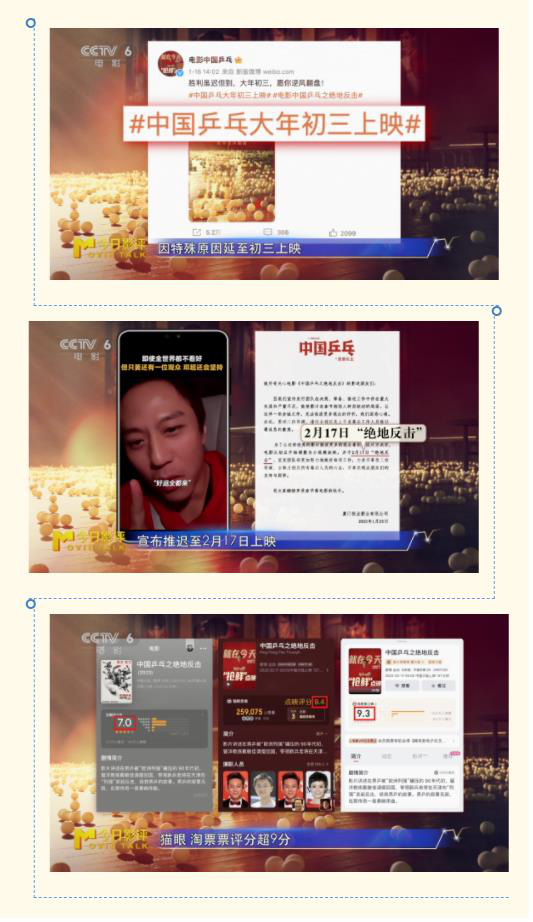
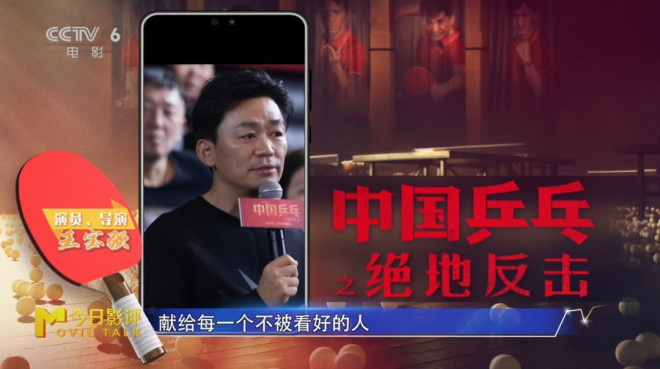
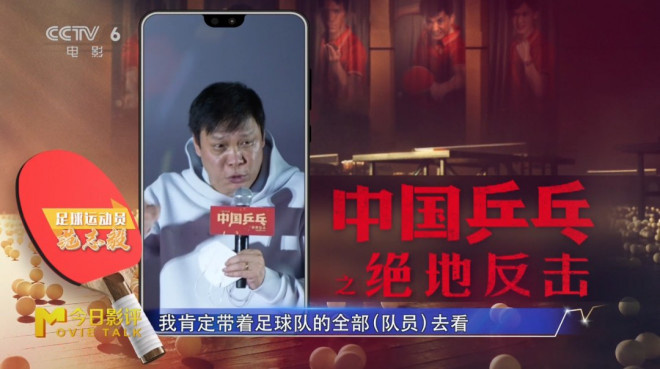
China Ping-Pong’s Jedi Counter-Strike: The Wandering Ball in the Spring Festival file.


Special feature of 1905 film network Known by netizens as the real "wandering ball" in the Spring Festival file, the film was originally scheduled to be released on the first day of the New Year’s Day, but it was postponed to the third day for special reasons. After losing its first-hand advantage, it was attacked by two "giants" during the schedule. On the fourth day of the New Year’s Day, when the main producer created a live broadcast, the official announcement was postponed again and announced that it would be postponed to February 17. At present, the film has been shown, with Douban scoring 7, Cat’s Eye and Taobao Film scoring over 9. So what are the unknown stories behind the storm, a film that embodies the painstaking efforts of the main creator for many years? Can the filmmakers create another miracle when the table tennis team counterattacks the Jedi?


As a strong competitor of the Spring Festival, the film suddenly released a statement on the fourth day of the Lunar New Year, announcing the postponement of the release. I believe this is a difficult decision for everyone in the creative team. Xiao Li, the host, recalled what she saw at Hengye Film and Television Company at that time. The phone kept ringing and everyone was very busy. Ma Shuang, the producer of "China Table Tennis Fight Back", said: "When we are ready to make a statement, this decision is actually extremely difficult, but we must control our emotions and not be knocked down by temporary difficulties. It is true that the film is very different from expectations. While watching the market, we are very complicated." Ma Shuang accompanied the film for 1825 days: "Still happy, no matter what the final result is, it is actually very happy and satisfied to be filmed."


"China Ping-Pong: The Jedi Strikes Back" will be released on February 17th, which will bump into Marvel Comics’s works after four years. Choosing this day to compete with the master, first of all, I believe that the power in the work, like the slogan of the film, is dedicated to the people who are not optimistic, because in and out of the play, there are a group of people who are not optimistic and ordinary forces that support the film to the end. When the film was withdrawn, Xuanfa’s colleagues cried in the office for a day, blaming themselves for not doing well enough, so that the audience did not understand the film.


The person who is not optimistic in the film has a coach. He is a coach who has never won a singles championship. Everyone is not optimistic that the team led by him can recapture swaythling cup in two years. There are older athletes close to 30 years old; There are also players with high myopia. Everyone pooled their money to buy a pair of contact lenses before he can play. It is in such an underappreciated and extremely difficult track that they ran out of their own lives. It is also such a spirit that people in and out of the play are always waiting for the moment of "Jedi counterattack" when facing difficulties.


I like this sentence in the film very much, dedicated to the people who are not optimistic, where I fell and where I got up; Where I lost the ball, where I won it back.


The film’s creative team carried out the spirit of "Jedi counterattack", and made a comeback on another day, fighting bravely, but it was not the biggest difficulty that the film encountered to withdraw the file and be attacked by a blockbuster. The earliest test happened in the early stage of the film, because it involved real events, and the creative team needed to find the prototype of the story to sign the authorization. This was not the authorization of one person, but everyone in the team at that time. In addition, the creative staff also need to explain the artistic processing parts of the film one by one, not to vilify and dwarf the characters, but to be dramatic.


Ma Shuang mentioned that it was not easy to contact Mr. Ding Song: "He didn’t answer the phone, and he signed the authorization of the real person at that time. He said that I read your script, and we liked it very much. At home, my daughter also read it, and she said on the ground, Dad, you never celebrate your birthday. Ding Song told her daughter that movies are movies, and truth is truth. I was moved for the first time. He understands what your career is, because for sports films, it is difficult to deal with the relationship between real characters and drama, but in this film, we have received the support of many prototype characters. This support is the most important support point for the project to persist for five years. "


Ma Shuang also remembers the scene of interviewing Wang Tao at that time: "He talked for more than three hours, and finally his mouth was thirsty. I said to pour you a glass of water. He said that he didn’t need to pour water, so he finished the story first. His last game, betting on him, he said that the 50-meter road he walked seemed to have finished his life, and there was no way to face it calmly. During that game, he saw a piece of red cloth floating in the gym. He said that you must shoot it. Many people said shoot it before, but it just didn’t happen. I have received too much trust, support, care and companionship, which are also the unseen parts behind the movie. "


It is also because of the support of the story prototype that the film is full of the power of truth and courage. After watching the film, the "Five Tiger Generals" in real life asked each other how many times they cried. For the ordinary audience, in fact, you can not just watch it as a sports film. The film shouted a slogan: "You can’t kill Xiaoqiang before you become a big devil!" " When the audience is faced with difficulties and encounters a low point in life, they may gain strength in the film and find the spirit to meet difficulties.


"I was the first audience to watch" China Table Tennis Jedi Counterattack ".On that day, I sat in the last row and found that no one took out their mobile phones. For more than two hours, everyone was mobilized and watched the film."


"This movie, I will definitely take the football team to see it all. Basketball player xin li cried twice, and I was more than her once."


"It’s hard to let the sportsmanship influence these next generation of young people."


Time goes back to April 16, 2018, when Ma Shuang was at a low point in his life and faced with the choice of whether to continue making movies. Many people around said that this project could not be done, and even the partners in the team questioned it, asking Ma Shuang why she was doing this every day. Did you ever think that it could not be done one day? Ma Shuang mentioned: "I told him that if I couldn’t do it, I wouldn’t do it. Later, because of this sentence, he could put down 90% of the work at hand and help me do it. That kind of belief is just like the power conveyed by the film itself. The world will give up on you. Do you want to give up on yourself? In the face of difficulties, we must have a mentality to meet it. I think the film itself can bring this power to everyone. "


I hope the audience can find some light and give some courage to those who are facing the low point of their lives in China Ping-Pong, which will be the best result of the film. I look forward to every audience, using a movie ticket to test the value of "China Table Tennis Jedi Counter-Strike".


通过admin

Big ranking of consistency evaluation of pharmaceutical companies: Huahai, Shiyao, Yangzijiang …

Source | Cybertron Author | Xiao Wan

The varieties of 42 enterprises passed the consistency evaluation, among which Huahai Pharmaceutical, Unacon and Yangzijiang Pharmaceutical were the top three, followed by Hengrui Pharma, Jingxin Pharmaceutical, Haosen Pharmaceutical and Zhengda Tianqing.

42 pharmaceutical companies have reviewed varieties.

Now in mid-November, the overall progress of consistency evaluation has become the most concerned topic for all pharmaceutical companies. A few days ago, according to the incomplete statistics of CyberBlue, a total of 107 product specifications passed the consistency evaluation, among which 42 enterprises passed the consistency evaluation (the number of branches passed was included in the head office).

In statistics, one product specification of 18 pharmaceutical companies passed the consistency evaluation; Two of the 10 pharmaceutical companies have passed the consistency evaluation; Three varieties of seven pharmaceutical companies have been evaluated; Four varieties of three pharmaceutical companies have been reviewed; Four pharmaceutical companies have more than five product specifications.

(Source: Cyberblue)

Among them, Zhejiang Huahai Pharmaceutical Co., Ltd. passed the consistency evaluation, while Yangzijiang Pharmaceutical Co., Ltd. and Unacon Co., Ltd. passed the consistency evaluation, and Hengrui Pharma Co., Ltd. passed the consistency evaluation. Zhejiang Jingxin Pharmaceutical, Haosen Pharmaceutical and Zhengda Tianqing all passed the consistency evaluation.

The consistency evaluation of Zhejiang Huahai Pharmaceutical, Yangzijiang Pharmaceutical and Unacon has made rapid progress.

(Source: Cyberblue)

Huahai Pharmaceutical Co., Ltd.: Consistency Evaluation of Overtaking in Curves

According to the annual report of Huahai Pharmaceutical, Huahai Pharmaceutical has invested more in the over-evaluation research and development of irbesartan tablets, fosinopril tablets, lisinopril tablets and losartan potassium tablets.

The annual report shows that in 2017, the company’s R&D expenditure was 438.2377 million yuan, a year-on-year increase of 20.38%, accounting for 8.76% of the operating income of that year. The main reason is that the company has continuously increased the declaration and conformity evaluation of domestic new products, increased the R&D investment in biopharmaceuticals, new drugs, first imitation drugs, innovative pharmaceutical preparations, and accelerated the declaration of new products and models in markets such as the United States and the European Union.

Compared with other enterprises with more varieties, Huahai Pharmaceutical is characterized by adopting the form of "overtaking in corners"

—— Its overseas drugs with quality regulations enter the domestic market through supplementary application for domestic listed varieties and direct application for four kinds of new drugs overseas, and only need to BE declared with overseas listed test data, which will greatly reduce the cost and time of declaration compared with similar products enterprises that need to do BE experiments in China.

For example, its valsartan tablet is the first oral preparation of Huahai Pharmaceutical, which has been listed in Europe and America, and it is deemed to have passed the consistency evaluation if it is declared with overseas data.

Cebolan made statistics on the disclosure announcement of Huahai Pharmaceutical. Except for its product "Voriconazole Tablets", its R&D cost is an important basis for the company’s sales pricing in the US market. The important cost data is corporate trade secrets, and the R&D investment data has not been disclosed.

The total R&D investment of the remaining 9 evaluated varieties of Huahai Pharmaceutical is 44.08 million.

Among them, valsartan tablets have the largest R&D investment of 16.6 million, followed by donepezil hydrochloride tablets with 9.25 million R&D investment.

(Source: Cyberblue)

Unacon: Both are the first enterprises that have been appraised.

According to the statistics of Cybertron, Unacon has passed 7 product specifications and 5 varieties.

Unacon’s semi-annual report shows that the company has been actively promoting consistency evaluation. At the same time, make full use of the opportunity brought by consistency evaluation, strive for greater market share for products, and establish strategic cooperation with core distributors to expand and sink the terminal market to primary medical institutions.

Unacon didn’t disclose its R&D expenses, but according to the statistics of Cybertron, all the evaluated varieties in Unacon were "enterprises that passed the conformity evaluation for the first time".

Metformin hydrochloride: According to the data, metformin, as the most widely used oral hypoglycemic agent in clinic, has been crowned as the "magic medicine". Therefore, according to the statistics of Medical Rubik’s Cube, as a 289 variety, there are as many as 130 drug approval numbers for metformin, including 116 metformin hydrochloride tablets, 8 metformin hydrochloride enteric-coated tablets, 4 metformin hydrochloride enteric-coated capsules and 2 metformin hydrochloride capsules. The consistency evaluation of metformin is bound to be a "drama".

Among them, Unacon submitted its domestic listing application on the condition of "listing in the United States". On July 24th, Unacon’s metformin hydrochloride tablets obtained the registration approval of CFDA, and were officially approved for listing, taking the lead in evaluating the consistency of metformin.

Paclitaxel for injection (albumin-bound): In July, Paclitaxel for injection (albumin-bound) produced in Unacon (trade name Ke Aili) has been included in the Catalogue of Listed Drugs in China. Ke Aili has completed the clinical BE test before applying for new drug registration, and it is deemed to have passed the consistency evaluation, so it can be used instead of the original research product. In this declaration, Unacon surpassed Hengrui, who is known as the "First Brother in R&D", and won the first imitation.

Captopril Tablets: On July 3rd, Captopril Tablets (25mg) produced by Unacon Ouyi Pharmaceutical Company passed the evaluation of the consistency of generic drug quality and efficacy. Unacon Ouyi Pharmaceutical Co., Ltd. became the first enterprise to pass the consistency evaluation of Captopril tablets.

Tramadol Hydrochloride Tablets: On May 21st, Unacon announced that the group’s "Chimet" (tramadol Hydrochloride Tablets (50mg)) has been approved by china food and drug administration to pass the consistency evaluation of generic drug quality and efficacy, becoming the first enterprise in China to pass the consistency evaluation of this variety. It is reported that tramadol Hydrochloride Tablets are one of the key products of the group’s analgesic drugs.

Azithromycin tablets: On April 12th, Unacon announced that the group "Weihong" (azithromycin tablets (0.25g and 0.5g)) had passed the consistency evaluation of generic drugs, becoming the first enterprise in China to pass the consistency evaluation. It is reported that azithromycin tablets are one of the key products of the group’s anti-infective drugs.

Yangzijiang Pharmaceutical: Sustained efforts in mid-2018

Up to now, according to the statistics of Cybertron, seven specifications and five varieties of Yangzijiang Pharmaceutical have passed the consistency evaluation, among which five varieties of amlodipine besylate tablets, montmorillonite powder, glimepiride tablets, enalapril maleate tablets and dexmedetomidine hydrochloride injection have been evaluated.

In the carding process, Ceibaran found that all the remaining varieties passed the consistency evaluation from June to September 2018 except Enalapril Maleate Tablets which were reviewed in September 2017, and Yangzijiang Pharmaceutical continued to exert its strength and continuously reviewed in mid-2018.

(Source: Cyberblue)

From this, it can be seen that the style of Yangzijiang Pharmaceutical Co., Ltd. is to accumulate wealth and make thin hair. At a certain stage, it will exert its strength and continuously evaluate many varieties. When the 289 deadline is coming, Yangzijiang may be accumulating strength and making a big move, which is worth looking forward to.

To sum up, 42 enterprises have varieties that have passed the consistency evaluation, among which Huahai Pharmaceutical, Unacon Pharmaceutical and Yangzijiang Pharmaceutical are the top three, followed by Hengrui Pharma Pharmaceutical, Jingxin Pharmaceutical, Haosen Pharmaceutical and Zhengda Tianqing, and the deadline of 289 is coming soon. All pharmaceutical companies should pay close attention to it.

通过admin

Take measures to improve the quality, authenticity and scientificity of statistical data.

  On October 10th, the State Council Press Office held a press conference on economic achievements since the 18th National Congress. When answering a reporter’s question, Ning Ji Zhe, deputy director of the National Development and Reform Commission and director of the National Bureau of Statistics, introduced the measures taken by the National Bureau of Statistics to improve the quality, authenticity and scientificity of statistical data.

  Ning Ji Zhe pointed out that the National Bureau of Statistics has taken a series of measures to improve the quality and authenticity of data and curb the problem of untrue data in individual units and places. First, the responsibility system and accountability system for ensuring data quality have been initially established. Not only the director of the local statistics bureau should be responsible and accountable, but also the local responsible person should be responsible for accountability if something goes wrong. The second is to increase law enforcement supervision. On August 1 this year, the implementation regulations of the statistical law revised in 2009 began to be implemented. Third, the National Bureau of Statistics established the Law Enforcement Supervision Bureau. If there is a report, it must be investigated, and if there is a mistake, it will be zero tolerance for false data or statistical fraud. It will help to change the environment for economic and social development.

  Ning Jizhen said that to improve the scientific nature of statistical data, it is necessary to establish and improve the statistics of new kinetic energy and new industries in accordance with Internet thinking, big data and cloud computing technologies, which is also an important aspect of improving the quality of statistical data. In the "Thirteenth Five-Year Plan" of statistics, it is clearly proposed to establish a statistical cloud, which is to apply the Internet, cloud computing and big data technology to statistics, and this aspect is being actively and orderly promoted.

通过admin

Strive to make agriculture greener, countryside more beautiful and farmers richer.

Xinhua News Agency, Beijing, October 1st Title: Strive to make agriculture greener, countryside more beautiful and farmers richer —— Minister of Agriculture Han Changfu answered a reporter’s question on "Opinions on Innovating System and Mechanism to Promote Agricultural Green Development"

Xinhua News Agency reporter Dong Jun

Recently, General Offices of the General Office of the Central Committee of the CPC and the State Council issued Opinions on Innovating System and Mechanism to Promote Green Development of Agriculture. Minister of Agriculture Han Changfu said in response to a reporter’s relevant question that this is the first document on agricultural green development issued by the CPC Central Committee, and it is also a programmatic document guiding the current and future agricultural green development.

Promote the formation of a coordinated development pattern of production and life ecology

Q: Why do you want to issue opinions on the theme of agricultural green development?

A:Promoting the green development of agriculture is an important topic in the agenda of deepening the reform of the central government in 2017. The issuance of opinions fully shows that the CPC Central Committee attaches great importance to the green development of agriculture, which is of great and far-reaching significance for unifying ideological understanding, doing a good job in top-level design, intensifying work, and solidly promoting the structural reform of the agricultural supply side and the green development of agriculture.

The green development of agriculture is related to national food security, resource security and ecological security, the construction of beautiful China, the well-being of contemporary people and the sustainable development of future generations. The opinions require us to stand at the strategic height of promoting the overall layout of the "Five in One" as a whole, fully understand the relationship between agricultural green development and ecological civilization construction, proceed from the reality of agricultural development, accelerate the innovation of institutional mechanisms, and promote the formation of a pattern of coordinated development of production, life and ecology.

The promulgation of the opinions shows that promoting the green development of agriculture is the clear requirement of the central government, the ardent expectation of the society, and the inherent need of agriculture itself. The economic and social conditions have been met and it has reached a new stage that must be accelerated. The opinions clarified the general requirements, basic principles, objectives, tasks and safeguard measures to promote the green development of agriculture, and made a series of institutional arrangements with equal emphasis on constraints and incentives at the institutional mechanism level, which will play a very important role in promoting the sustainable development of agriculture and accelerating agricultural modernization.

Fully describe the "road map" of agricultural green development

Q: What is the highlight of the opinion?

A:The opinions not only made the overall arrangement and system deployment, but also introduced a series of practical and effective policies and measures with high gold content, and described the "road map" and "timetable" for promoting the green development of agriculture.

For the first time, the overall goal of agricultural green development is comprehensively put forward-the number of cultivated land will not decrease, the quality of cultivated land will not decrease, groundwater will not be over-exploited, the use of chemical fertilizers and pesticides will increase zero, and agricultural wastes such as straw, livestock manure and agricultural film will be fully utilized. At the same time, from the aspects of resource utilization, production environment, ecosystem and green supply, the overall goal is refined into specific goals by 2020 and long-term goals by 2030.

For the first time, four tasks of agricultural green development are clearly put forward: implementing the system of agricultural functional zones in terms of agricultural main functions and spatial layout, establishing the systems of agricultural productivity layout, agricultural resources and environmental protection and utilization control, agricultural green recycling and low-carbon production, and agricultural green development mechanism in poor areas; In terms of resource protection and economical utilization, we should establish the system of farmland rotation and fallow, save efficient agricultural water, and improve the system of agricultural biological resources protection and utilization; In terms of environmental protection and governance of producing areas, establish a prevention and control mechanism for the transfer of industrial urban pollution to agriculture, improve the system of reducing the use of agricultural inputs such as chemical fertilizers and pesticides, improve the system of resource utilization such as straw and livestock manure, and establish a recycling system for waste plastic films and packaging wastes; In restoring agricultural ecosystems, we will promote grassland ecological protection and restoration, and strengthen aquatic ecological protection and restoration, forestry and wetland conservation.

For the first time, this paper systematically puts forward the institutional arrangements to promote the green development of agriculture-establishing the prevention and control mechanism of industrial and urban pollution transfer to agriculture, establishing the green agricultural standard system, improving the agricultural ecological subsidy system, and improving the system of reducing the use of agricultural inputs.

For the first time, vigorously advocate the national action to carry out the green development of agriculture-in the production field, promote green production methods such as green production of inputs, resource utilization of wastes, and green circulation of processing and circulation; In the field of consumption, we will continue to carry out the "CD Action" to promote the formation of green lifestyles such as strict economy and low-carbon cycle.

Realize the coordination and unity of ensuring supply, income and ecology.

Q: Will the emphasis on green development affect the output of agricultural products? What major relationships need to be handled?

A:The opinion emphasizes that it is necessary to correctly handle the relationship between agricultural green development and ecological environment protection, food security and farmers’ income increase, and realize the coordination and unity of ensuring supply, income and ecology.

In dealing with the relationship between agricultural production and ecological environmental protection, we should avoid opposing agricultural production and ecological environmental protection. In recent years, some places have simply adopted the practice of reducing planting and closing farming, which has lost the original intention of development. To this end, the opinion puts forward that green orientation should run through the whole process of agricultural development, implement green production methods, and realize the coordinated development of production and ecology.

In dealing with the relationship with food security, we must insist that food security is the bottom line of agricultural green development. To reduce the utilization intensity of cultivated land resources and control the outstanding problems of agricultural environment, we should make overall consideration to consolidate and improve grain production capacity. The opinion puts forward that it is necessary to implement the strategy of "storing grain on the ground and storing grain in technology", adhere to the bottom line of national food security, and realize the coordination and unity of ensuring supply and protecting ecology.

In dealing with the relationship with increasing farmers’ income, we should put increasing the supply of green and high-quality agricultural products in a prominent position. The opinion puts forward that to promote the green development of agriculture, it is necessary to take increasing farmers’ income as the basic task, build a green development industrial chain value chain, accelerate the integration of primary, secondary and tertiary industries, improve quality, efficiency and competitiveness, turn green into efficiency, increase farmers’ income, and help overcome poverty.

The Ministry of Agriculture will work with relevant departments to study and formulate implementation plans, establish a coordinated promotion mechanism, and ensure that all policies and measures are implemented. At the same time, promote the establishment of national agricultural sustainable development experimental demonstration zones, and identify 40 national agricultural sustainable development experimental demonstration zones in the first batch this year, innovate mechanisms, create experiences, and promote the green development of local agriculture.

通过admin

Notice of Beijing Municipal Commission of Health and Wellness on Printing and Distributing Beijing Training Program for Integration of Medical Treatment and Prevention (2020 -2022)

Municipal Administration of Traditional Chinese Medicine, Municipal Hospital Management Center, District Health and Health Committees, and relevant medical and health institutions:

  In order to implement the Three-year Action Plan for Strengthening the Construction of Public Health Emergency Management System in Beijing (2020-2022) and strengthen the construction of public health system in our city, we hereby print and distribute the Beijing Training Plan for Medical Prevention Integration (2020 -2022) to you, please follow it. If you have any questions, please feedback to our Committee in time.

Beijing Municipal Health and Wellness Committee    

December 1, 2020  

  (Contact person and contact information: Jingjing Shi, 83970736; Bai Bing, 83970737)

Beijing Medical and Prevention Integration Training Program (2020 -2022)

  In order to implement the spirit of the opinions of the municipal party committee and municipal government on strengthening the construction of public health emergency management system and the requirements of the action plan, improve the ability of health professionals in disease prevention and control institutions, pre-hospital medical emergency institutions and secondary and tertiary medical institutions to deal with public health emergencies, and strengthen the integration of medical care and public health, this plan is formulated in light of the actual situation of this Municipality.

  I. Guiding ideology

  Guided by the integration of medical care and prevention, around the cross-training needs, improve the training system with the core of competence in dealing with public health emergencies. By carrying out standardized training to fill shortcomings, plug loopholes and strong and weak items, we will build a team of high-quality, skilled and capable medical and preventive compound backbone doctors, and further improve the emergency support ability and level of public health emergencies in the city.

  Second, the training objectives

  Through the planned and organized training on the integration of medical care and prevention, by 2022, the number of health professionals and technicians who have cross-trained among disease prevention and control institutions, pre-hospital medical emergency institutions and secondary and tertiary medical institutions in the city will reach more than 600, and a number of training bases and training materials combining public health with clinical medical care will be built.

  Third, the training target

  (a) two or three medical institutions to be promoted to vice high titles of internal medicine (including internal medicine, pediatrics, emergency department, general practice, infectious diseases) physicians.

  (two) the emergency center intends to be promoted to the vice high title of clinician.

  (three) the Center for Disease Control and Prevention intends to be promoted to a public health physician with the title of associate senior.

  (4) Other doctors who voluntarily participate in the training.

  Fourth, the training content

  Clinicians in secondary and tertiary medical institutions mainly strengthen public health emergency ability, pre-hospital medical emergency ability and infectious disease diagnosis and treatment ability. Clinicians in emergency centers and public health doctors in centers for disease control and prevention mainly focus on strengthening the ability of clinical diagnosis and treatment, prevention and control of nosocomial infection and diagnosis and treatment of infectious diseases.

  (A) public health emergency response capacity

  Laws and regulations on the prevention and control of infectious diseases, key points and prevention and control schemes for emerging and sudden infectious diseases, health emergency response strategies for public health emergencies, skills in dealing with infectious diseases such as protection, isolation, transshipment and disinfection, epidemiological investigation techniques and other public health emergency knowledge and technologies. For details, please refer to the Detailed Rules for Public Health Emergency Response Training (Annex 1).

  (B) clinical diagnosis and treatment and hospital infection prevention and control capabilities

  For the key points, the diagnosis and treatment plan and early detection ability of new and sudden infectious diseases, the principle of treatment for critically ill patients, and the system and measures for prevention and control of nosocomial infection, please refer to the Training Rules for Clinical Diagnosis and Treatment and Prevention and Control of Hospital Infection (Annex 2) for specific requirements.

  (3) Pre-hospital medical first aid ability

  Pre-hospital medical first aid laws and regulations, basic first aid skills, on-site disposal principles, emergency response capabilities, etc. For specific requirements, please refer to the Detailed Rules for Pre-hospital Medical First Aid Training (Annex 3).

  V. Training Form and Time

  The integration training of medical care and prevention includes three training modules: course study, practical training and on-the-job training, and the cumulative training time is 6 months.

  (A) course learning

  Various laws and regulations, documents and work plans, basic theoretical knowledge, etc., take classroom teaching or internet plus teaching to carry out training.

  (B) Practical training

  The contents with high practical requirements, such as public health incident investigation and on-site disposal, personal protection and basic skills of clinical diagnosis and treatment, are carried out by interactive teaching methods combining scenario or simulation teaching, drills and skill assessment.

  (3) Post exercise

  According to the training needs and actual work arrangements, the trainees can go to the recognized training bases (including general hospitals, infectious disease hospitals, emergency centers and centers for disease control and prevention, etc.) for short-term training and on-the-job training, and the accumulated training period is not less than half a year before being promoted to the title of deputy senior high school. Among them, clinicians in secondary and tertiary medical institutions go to infectious disease hospitals for one month, emergency centers for not less than three months, and CDC for not less than two months (including course study and practical training); Doctors in emergency center and CDC should go to infectious disease hospital for further study for one month, and general hospital for further study for not less than five months (including course study and practical training).

  Sixth, the training base

  According to the training contents, the training bases for medical and prevention integration are the municipal and 16 district centers for disease control and prevention, Beijing Emergency Center, beijing ditan hospital affiliated to Capital Medical University, Beijing You ‘an Hospital affiliated to Capital Medical University, and the hospitals where the national standardized training base for internal medicine residents is located. For the list, see the Directory of Beijing Medical and Prevention Integration Training Bases (Annex 4).

  Seven, training registration, assessment and certification

  (1) Registration

  Those who apply for training should fill in the Registration Form of Beijing Medical Prevention Integration Training (Annex 5) and apply to the training department of their unit. After the unit summarizes, they should fill in the Summary Form of Beijing Medical Prevention Integration Training (Annex 6) and put forward training needs to the training base, and the training base will arrange training according to the needs. The specific registration schedule will be announced separately.

  (2) Examination and certification

  The training base will assess the personnel who have completed the training. After passing the assessment, the training base will record it on the Training Certificate of Beijing Medical Prevention Integration (Annex 7) and affix the official seal of the unit. "Beijing Medical Prevention Integration Training Certificate" is an important basis for my promotion to deputy senior title.

  VIII. Safeguard measures

  (A) to strengthen organizational management

  The Beijing Municipal Commission of Health and Wellness co-ordinates and manages the training of the integration of medical treatment and prevention in the whole city, sets up an expert committee on the integration of medical treatment and prevention, formulates training plans and detailed rules, makes full use of the high-quality resources of universities, public health institutions and medical institutions in Beijing, compiles training materials, compiles training courseware, organizes training, and supervises and assesses the training work in the whole city. The district health and wellness committees are responsible for mobilizing and deploying the cross-training of medical and prevention integration in medical and health institutions under their jurisdiction, organizing qualified trainees of relevant medical and health institutions to participate in the training, strengthening the construction of regional disease prevention and control centers and emergency stations, and assisting in the coordination and supervision of training. The training base is responsible for implementing the training plan according to the training requirements and registration arrangements, strictly conducting graduation examination, improving the safeguard measures, and effectively ensuring the training quality. The secondary and tertiary medical and health institutions, emergency centers (stations) and CDC shall, according to the training requirements, reasonably arrange relevant professionals to participate in the training, and provide necessary guarantee conditions for the trainees.

  (B) improve the incentive measures

  Medical and preventive integration training is included in the compulsory project management of continuing medical education at the municipal level, and continuing education credits can be obtained according to relevant regulations after completing the training. Physicians in internal medicine (internal medicine, pediatrics, emergency department, general practice, infectious diseases department) and emergency centers (stations) and centers for disease control and prevention at all levels in the second and third-level medical institutions in this city shall complete the training of medical prevention integration for not less than half a year before being promoted to the title of deputy high school, and the training time shall be included in the service time of medical personnel to rural grassroots or community health service institutions. From 2021 onwards, those who have completed the training of integration of medical care and prevention will be recommended for promotion first, and from 2023 onwards, it will be one of the necessary conditions for promotion. Other physicians who voluntarily participate in and complete the training of integration of medical care and prevention shall apply the provisions of this scheme and be recommended first before being promoted to the title of associate senior high school.

  (3) Guarantee the investment of funds

  The training funds for the integration of medical care and prevention are invested by the government, units and society. The municipal finance arranges special funds to ensure the compilation of teaching materials, courseware recording, practical teaching, supervision and assessment, etc. The training base provides necessary learning and living conditions for the implementation of training. The unit where the trainees work provides them with convenient conditions and guarantees their treatment during the training period. Encourage social funds to support the training of medical and prevention integration.

  Attachment: 1. Detailed Rules for Training Public Health Emergency Response Capability

     2. Training rules for clinical diagnosis and treatment and hospital infection prevention and control ability

     3. Pre-hospital medical emergency ability training rules

     4. List of Beijing Medical Prevention Integration Training Bases

     5. Beijing Medical Prevention Integration Training Registration Form

     6. Beijing Medical Prevention Integration Training Summary Table

     7. Beijing Medical Prevention Integration Training Certificate

Annex 1

Detailed Rules for Training Public Health Emergency Response Ability

  First, the basic knowledge of public health emergency management

  (1) Training time: 6 hours of theoretical teaching and 6 hours of practical training.

  (2) Training place: municipal and district disease prevention and control institutions.

  (3) Training contents:

  1. Be familiar with the contents of the Law on the Prevention and Control of Infectious Diseases in People’s Republic of China (PRC), and master the relevant rights, obligations and work requirements of employees in medical and health institutions.

  2. Learn the Regulations of Beijing Municipality on the Administration of Public Health Emergencies, and understand the definition standards, disposal procedures and management requirements of major public health emergencies.

  Second, infectious disease monitoring and management

  (1) Training time: 12 hours of theoretical teaching and 1-2 weeks of practical training.

  (2) Training place: municipal and district disease prevention and control institutions.

  (3) Training contents:

  1. Familiar with the legal infectious diseases and classification, understand the information reporting and management norms of infectious diseases and public health emergencies, and master the management process and basic requirements of infectious disease epidemic monitoring report.

  2. Be familiar with the operation and operation of the network direct reporting system of infectious diseases, and master the definition and standard of routine reporting information.

  3. Master the principles, methods and main evaluation indexes of quality verification of infectious disease epidemic reports in medical institutions, and write quality evaluation reports.

  Iii. Epidemiological investigation and on-site disposal

  (1) Training time: 24 hours of theoretical teaching, 6 hours of practical training and 4-6 weeks of on-the-job training.

  (2) Training place: municipal and district disease prevention and control institutions.

  (3) Training contents:

  1. Understand the concept of epidemic situation of infectious diseases, general principles and procedures for investigation and handling; To master the purpose, significance, basic principles and contents of epidemiological investigation.

  2. Understand the definition, general investigation and handling principles and procedures of outbreaks, major epidemics and public health emergencies.

  3. Understand the basic knowledge of diseases requiring case investigation and the main epidemic control measures.

  4. Understand the judgment criteria, investigation and handling principles and handling procedures of clustering cases and outbreaks of key infectious diseases.

  5. Master the principles, objectives, significance, technical standards and contents of the main control measures for infectious diseases. Including the judgment of close contacts and cases, isolation management, active search method, disinfection of environment and articles, protection of susceptible people, etc.

  6. Master the collection and transportation methods and norms of biological samples and external environmental samples in the epidemic situation of infectious diseases.

  7. Master the epidemiological investigation skills and the specifications and requirements for writing investigation reports.

Annex 2

Training rules for clinical diagnosis and treatment and hospital infection prevention and control ability

  I. Training Time

  Post exercise for 6 months, including 1 month in infectious disease hospital and 5 months in general hospital.

  Second, the training place

  Infectious disease specialist hospital (beijing ditan hospital affiliated to Capital Medical University and Beijing You ‘an Hospital affiliated to Capital Medical University) and general hospital (Beijing standardized training base for resident doctors).

  Third, the training content

  (1) Personnel of public health institutions

(1) Personnel of public health institutions. png

  Participate in the daily work and teaching activities of the Sense Control Department by participating in patient management, clinical rounds and various teaching activities. Learn professional theoretical knowledge and skills related to the training requirements of the ability of combining medical treatment with prevention.

  Infectious Disease

  1. Rotation purpose

  Master:

  (1) Disinfection, isolation and protection measures for infectious diseases;

  (2) novel coronavirus’s knowledge of etiology, epidemiology, clinical manifestations, diagnostic basis, differential diagnosis and treatment principles;

  (3) Etiological knowledge, epidemiology, clinical manifestations, diagnostic basis, differential diagnosis and treatment principles of influenza and avian influenza;

  (4) legal infectious disease reporting and handling procedures.

  Familiar with:

  (1) Clinical epidemiology and prevention of nosocomial infection;

  (2) Etiological knowledge, epidemiology, clinical manifestations, diagnostic basis, differential diagnosis and treatment principles of hemorrhagic fever with renal syndrome and plague;

  (3) Principles of diagnosis, differential diagnosis and treatment of intestinal infectious diseases such as typhoid fever, bacillary dysentery, amoebiasis and bacterial food poisoning; Etiological knowledge, epidemiology, clinical manifestations, diagnostic basis, differential diagnosis and treatment principles of norovirus-infected diarrhea;

  (4) Etiological knowledge, epidemiology, clinical manifestations, diagnostic basis, differential diagnosis and treatment of hepatitis A, B, C and E; Antiviral treatment of chronic hepatitis B and hepatitis C;

  (5) Etiological knowledge, natural history, clinical manifestations, primary screening and confirmation, and antiviral treatment principles of human acquired immunodeficiency syndrome (AIDS);

  Understand:

  (1) Etiological knowledge, epidemiology, clinical manifestations, diagnostic basis, differential diagnosis and treatment of new Bunia virus infection (fever with thrombocytopenia syndrome);

  (2) Etiological knowledge, epidemiology, clinical manifestations, diagnostic basis, differential diagnosis and treatment of yellow fever, dengue fever, Zika and malaria;

  (3) Etiological knowledge, epidemiology, clinical manifestations, diagnostic basis, differential diagnosis and treatment of anthrax and brucellosis; Etiological knowledge, epidemiology, clinical manifestations, diagnostic basis, differential diagnosis and treatment of Ebola hemorrhagic fever

  (4) Diagnosis and treatment of parasitic diseases;

  (5) Pathogenesis and anti-shock treatment of sepsis and septic shock;

  (6) Clinical application of antibacterial drugs.

  2. Basic requirements

  (1) learning symptoms, disease requirements:

(1) learning symptoms, disease requirements. png

  No less than 12 inpatients are required to participate in the management.

  (2) Basic skill requirements:

  Procedures for disinfection and isolation; Graded protection requirements. Carry out intensive practice rotation in fever clinic

  3. Higher requirements

  On the basis of basic requirements, you should also learn the following diseases and skills.

  (1) learning diseases:

  Diagnostic thinking of infectious mononucleosis, toxoplasmosis, rabies and fever of unknown origin.

  (2) Clinical knowledge and skills requirements:

  Lumbar puncture operation

  Cardiovascular Department (1 month)

  1. Rotation purpose

  Familiar with: the diagnosis and differential diagnosis of common symptoms of cardiovascular system (including chest pain, dyspnea, palpitation and syncope); Pathogenesis, clinical manifestations, diagnosis, differential diagnosis and treatment of common cardiovascular diseases; Diagnosis and treatment of acute and severe cardiovascular diseases; Application of commonly used drugs for cardiovascular diseases; Common typical ECG diagnosis; Electrical defibrillation technology.

  Understanding: Basic knowledge of cardiac electrophysiology, coronary angiography, PCI therapy, cardiac pacing, ambulatory electrocardiogram, ambulatory blood pressure and echocardiography.

  2. Basic requirements

  (1) trainee symptoms, disease requirements

(1) trainee symptoms, disease requirements. png

  It is required to participate in the management of at least 10 inpatients.

  (2) Basic inspection and operation trainee

(2) Basic inspection and operation trainee. png

  Respiratory medicine (1 month)

  1. Rotation purpose

  Familiar with: the diagnosis and differential diagnosis of cough, expectoration, hemoptysis and dyspnea; Epidemiological characteristics, diagnosis and treatment principles of upper respiratory tract infection and influenza; Diagnosis, differential diagnosis and treatment of pneumonia; Clinical manifestations, diagnosis and treatment principles of bronchial asthma and chronic obstructive pulmonary disease; Clinical manifestations, principles of diagnosis and treatment of lung cancer; Concept, classification, clinical manifestations and principles of diagnosis and treatment of respiratory failure.

  Understand: the pathogenic examination method of pneumonia, the operation method and clinical significance of bronchoscope and medical thoracoscope, the inhalation treatment of respiratory drugs, and the method of quitting smoking.

  2. Basic requirements

  (1) Learning symptoms, diseases and cases:

(1) Learning symptoms, diseases and cases. png

  Participate in the management of the number of inpatients is not less than 10 cases.

  (2) Basic inspection and operation trainee

(2) Basic inspection and operation trainee. jpg

  Emergency department (1 month)

  1. Rotation purpose

  Mastery: Basic methods of cardiopulmonary resuscitation (CPR).

  Familiarity: clinical characteristics and preliminary treatment of common emergencies; Commonly used first aid drugs (cardiopulmonary resuscitation, anaphylactic shock, etc.).

  Understand: emergency department working mode, triage grading standard, emergency department prevention and control workflow and special requirements of prevention and control, including nursing workflow and characteristics.

  2. Basic requirements

  (1) Learn the disease requirements: common antibiotics for lung infection and treatment of drug-resistant infection, screening and disposal of emergency influenza cases, identification of rash caused by clinical drug allergy, and participation in the treatment of resuscitation cases from cardiac and respiratory arrest.

  (2) Clinical first aid skills: master the implementation methods of basic cardiopulmonary resuscitation.

  Internal medicine ICU/ respiratory ICU/ comprehensive ICU (for one month)

  1. Rotation purpose

  Familiar with: evaluation and transport of critically ill patients; Airway management; Basic hemodynamic monitoring; Clinical application of commonly used first-aid drugs (cardiopulmonary resuscitation and vasoactive drugs, antibacterial drugs, antiarrhythmic drugs, antispasmodic and antiasthmatic drugs, etc.); Diagnosis, treatment and isolation of multidrug-resistant bacterial infections.

  Understand: the basic principle and common modes of mechanical ventilation; Deep venous thromboembolism; Severe systemic infection and septic shock; Sedation and analgesia; Monitoring of nervous system function; Indications and clinical application of nutritional support.

  2. Basic requirements

  (1) trainee symptoms, disease requirements

Probation symptoms, disease requirements. png

  (2) Basic skills training

Basic skills trainee. png

  Sensory control office (1 month)

  1. Rotation purpose

  Master:

  Laws, regulations, rules and regulations related to hospital infection management, key technologies of hospital infection prevention and control, including methods of hospital infection monitoring, principles of disinfection, standard prevention and isolation, prevention and control requirements of multi-drug resistant bacteria infection, prevention and control requirements of surgical site infection, monitoring and control requirements of central venous catheter-related infection, catheter-related urinary tract infection and ventilator-associated pneumonia, and key requirements of infection prevention and control in key departments such as operating room, disinfection supply center and infectious diseases department. Disease prevention and control hospital management process, medical staff’s own protection knowledge and skills, etc.

  The legal and regulatory requirements, systems and processes of disease control, especially infectious disease management, infectious disease reports, management points of fever clinics, and the connection mechanism with hospital infection management and off-campus management departments.

  Understand:

  Diagnostic criteria of hospital infection cases, common methods and technical points of hospital disinfection, key points of isolation technology and key points and difficulties in implementation. Key points and difficulties in hospital infection prevention and control in key parts and departments. Difficulties in the implementation of disease prevention and control in hospitals.

  Occupational protection of medical staff, monitoring of various diseases including respiratory infectious diseases and AFP, health education of patients, management of chronic diseases of patients, management of disease control information, etc.

  2. Basic requirements

  (1) be familiar with the basic requirements and key points of relevant laws, regulations, systems and processes of hospital infection management.

  (2) Complete hospital infection monitoring in 3 internal medicine wards, 3 surgical wards and 1 intensive care unit (completed under the guidance).

  (3) Participate in monthly on-site supervision of wards and intensive care units.

  (4) Complete the study of infection prevention and control points and supervision points in key departments such as operation department, disinfection supply center, intensive care unit, hemodialysis center and endoscopic center.

  (5) to participate in the management and supervision of occupational protection of medical staff in the whole hospital.

  (6) Be familiar with the laws, regulations, systems, processes, management principles and requirements of hospital infection prevention and control of infectious diseases.

  (7) Master the management requirements and key points of fever clinic.

  (8) Grasp the key points and difficulties of infectious disease management, especially respiratory infectious disease management.

  3. Higher requirements

  (1) Management requirements for the rational use of antibacterial drugs.

  (2) Participate in a project of hospital infection prevention and control and implement it.

  (3) can independently handle and manage the hospital infection management in the ward.

  (4) To design an investigation scheme for the cluster epidemic situation of hospital infection.

  (5) Be able to independently inspect the work of infection control and infectious diseases in fever clinics.

  (6) Be able to independently coordinate and handle the management requirements and procedures of patients with respiratory infectious diseases in the hospital.

  (2) Personnel of pre-hospital medical emergency institutions

(2) Personnel of pre-hospital medical emergency institutions. png

  Participate in the daily work and teaching activities of the Sense Control Department by participating in patient management, clinical rounds and various teaching activities. Learn professional theoretical knowledge related to the training requirements of the ability of combining medical treatment with prevention.

  Infectious Disease

  1. Rotation purpose

  Familiar with:

  (1) Disinfection, isolation and protection measures for infectious diseases;

  (2) novel coronavirus’s knowledge of etiology, epidemiology, clinical manifestations, diagnostic basis, differential diagnosis and treatment principles;

  (3) Etiological knowledge, epidemiology, clinical manifestations, diagnostic basis, differential diagnosis and treatment principles of influenza and avian influenza;

  (4) Etiological knowledge, epidemiology, clinical manifestations, diagnostic basis, differential diagnosis and treatment principles of hemorrhagic fever with renal syndrome and plague;

  (5) Principles of diagnosis, differential diagnosis and treatment of intestinal infectious diseases such as typhoid fever, bacillary dysentery, amoebiasis and bacterial food poisoning; Etiological knowledge, epidemiology, clinical manifestations, diagnostic basis, differential diagnosis and treatment principles of norovirus-infected diarrhea;

  (6) Etiological knowledge, epidemiology, clinical manifestations, diagnostic basis, differential diagnosis and treatment of hepatitis A, B, C and E; Antiviral treatment of chronic hepatitis B and hepatitis C;

  (7) Etiological knowledge, natural history, clinical manifestations, primary screening and confirmation, and antiviral treatment principles of human acquired immunodeficiency syndrome (AIDS);

  (8) Reporting and handling procedures for legal infectious diseases.

  Understand:

  (1) Clinical epidemiology and prevention of nosocomial infection;

  (2) Etiological knowledge, epidemiology, clinical manifestations, diagnostic basis, differential diagnosis and treatment of new Bunia virus infection (fever with thrombocytopenia syndrome);

  (3) Etiological knowledge, epidemiology, clinical manifestations, diagnostic basis, differential diagnosis and treatment of yellow fever, dengue fever, Zika and malaria;

  (4) Etiological knowledge, epidemiology, clinical manifestations, diagnostic basis, differential diagnosis and treatment of anthrax and brucellosis; Etiological knowledge, epidemiology, clinical manifestations, diagnostic basis, differential diagnosis and treatment of Ebola hemorrhagic fever

  (5) Diagnosis and treatment of parasitic diseases;

  (6) Pathogenesis and anti-shock treatment of sepsis and septic shock;

  (7) Clinical application of antibacterial drugs.

  2. Basic requirements

  (1) learning symptoms, disease requirements:

Learning symptoms and disease requirements:. png

  No less than 12 inpatients are required to participate in the management.

  (2) Basic skill requirements:

  Procedures for disinfection and isolation; Graded protection requirements. Carry out intensive practice rotation in fever clinic

  3. Higher requirements

  On the basis of basic requirements, you should also learn the following diseases and skills.

  (1) learning diseases:

  Diagnostic thinking of infectious mononucleosis, toxoplasmosis, rabies and fever of unknown origin.

  (2) Clinical skill requirements:

  Lumbar puncture operation (2 cases on probation).

  Emergency department (1 month)

  1. Rotation purpose

  Master: classification standard of patients admitted in hospital, judgment of disease severity, disease severity and risk score, diagnosis and treatment process of chest pain center, and diagnosis and treatment process of stroke center; Master the reporting process and prevention and control points of infectious diseases in emergency; Basic theory and progress of cardiopulmonary resuscitation (CPR); Diagnostic thinking, differential diagnosis and treatment of common emergencies; Selection, result judgment and clinical significance of auxiliary examination for common emergencies; Rational clinical use of commonly used first-aid drugs (cardiopulmonary resuscitation and vasoactive drugs, cardiotonic diuretics, antispasmodic and antiasthmatic drugs, analgesics, hemostatic drugs, antiarrhythmic drugs, etc.).

  Understand: the principles of handling various crises (such as hypertension crisis, thyroid crisis, etc.), serious disorder of water electrolyte and acid-base balance.

  2. Basic requirements

  (1) learning symptoms, disease requirements:

Learning symptoms and disease requirements -1.png

  The total number of patients who are required to participate in the consultation and treatment is not less than 50.

  (2) Basic skill requirements:

Basic skill requirements -1.png

  3. Higher requirements

  On the basis of basic requirements, you should also learn the following diseases and skills.

  (1) disease requirements: multiple organ dysfunction syndrome (MODS)

  (2) Clinical knowledge and skill requirements: the basic clinical application of invasive ventilation.

  (3) Report 2 clinical cases (PPT presentation)

  Respiratory medicine (1 month)

  1. Rotation purpose

  Master: the diagnostic thinking and differential diagnosis of hemoptysis, chest pain and dyspnea; Pathogenesis, clinical manifestations, diagnosis, differential diagnosis and treatment of common respiratory diseases (pneumonia, bronchial asthma, chronic obstructive pulmonary disease, pulmonary embolism, respiratory failure and pneumothorax); Usage and rational application of inhaled drugs; Indications and contraindications of bronchoscopy and medical thoracoscope examination and treatment; Interpretation of arterial blood gas analysis.

  Understanding: lung cancer, sleep apnea hypopnea, pleural effusion; Mechanical ventilation and noninvasive ventilation technology; Atomization therapy; Interpretation of lung function examination.

  2. Basic requirements

  (1) Learning symptoms, diseases and cases:

(1) Learning symptoms, diseases and cases. png

  It is required to participate in the management of at least 10 inpatients.

  (2) Basic skills training:

Basic skills trainee -1.png

  3. Higher requirements

  On the basis of basic requirements, you should also learn the following diseases and skills.

  (1) learning diseases:

  Lung cancer, tuberculosis, pleural effusion, sleep apnea hypopnea syndrome.

  (2) Clinical knowledge and skills requirements:

  Probation: bronchoscopy, pulmonary function examination, polysomnography and respiratory monitoring. Imaging examination and interpretation of common respiratory diseases;

  Participation: mechanical ventilation, noninvasive ventilation.

  (3) Requirements for foreign language, teaching, scientific research and other abilities:

  Complete a foreign literature review or reading report, and participate in teaching and research activities.

  Cardiovascular Department (1 month)

  1. Rotation purpose

  Master: applied anatomy and physiology of cardiovascular system; Anatomical and functional characteristics of cardiac conduction system; Diagnostic ideas and differential diagnosis of common symptoms of cardiovascular system (including chest pain, dyspnea, palpitation, syncope and dizziness); Pathogenesis, clinical manifestations, diagnosis, differential diagnosis and treatment of common cardiovascular diseases; Diagnosis and treatment of acute and severe cardiovascular diseases; Rational use of commonly used drugs for cardiovascular diseases; Chest x-ray manifestations of common cardiac morphological abnormalities; Common typical ECG diagnosis; Electrical defibrillation technology.

  Understanding: Basic knowledge of cardiac electrophysiology, coronary angiography, PCI therapy, pericardiocentesis, cardiac pacing, ambulatory electrocardiogram, ambulatory blood pressure and echocardiography.

  2. Basic requirements

  (1) Learning symptoms, diseases and cases:

Requirements for learning symptoms, diseases and cases -1.png

  No less than 15 inpatients are required to participate in the management.

  (2) Basic skills training:

  3. Higher requirements

  On the basis of basic requirements, you should also learn the following diseases and skills.

  (1) learning diseases:

  Pericardial disease, pulmonary vascular disease, infective endocarditis, common adult congenital heart disease.

  (2) Clinical knowledge and skills requirements:

  Understanding: pericardiocentesis, temporary cardiac pacing.

  Interpretation of the report: ambulatory blood pressure, ambulatory electrocardiogram and echocardiography.

  (3) Requirements for foreign language, teaching, scientific research and other abilities:

  Complete a foreign literature review or reading report, and participate in teaching and research activities.

  Internal medicine ICU/ respiratory ICU/ general ICU(1 month)

  1. Rotation purpose

  Master: diagnosis and emergency treatment of common critical diseases; Evaluation and transport of critically ill patients; Airway management; Basic principles and common modes of mechanical ventilation; Basic hemodynamic monitoring; Clinical application of commonly used first aid drugs (cardiopulmonary resuscitation and vasoactive drugs, antihypertensive drugs, antiarrhythmic drugs, antispasmodic and antiasthmatic drugs, antiepileptic drugs, etc.); Infection and clinical application of antibacterial drugs; Indications of blood transfusion; Indications and clinical application of nutritional support; Diagnosis and treatment of acid-base imbalance and electrolyte disorder.

  Understanding: Advanced cardiac life support therapy (ACLS); Tension pneumothorax; Venous thromboembolic diseases; Severe systemic infection and septic shock; Bedside respiratory function monitoring (airway resistance, respiratory system compliance); Bedside cardiac output monitoring (preload, afterload, myocardial contractility); Sedation and analgesia; Monitoring of nervous system function (intracranial pressure, jugular bulb oxygen saturation).

  2. Basic requirements

  (1) Learning symptoms, diseases and cases:

Requirements for learning symptoms, diseases and cases -2.png

  It is required to participate in the management of at least 10 inpatients.

  (2) Basic skills training:

Basic Skills Internship -2.png

  3. Higher requirements

  On the basis of basic requirements, you should also learn the following diseases and skills.

  (1) disease requirements:

  Tension pneumothorax, venous thromboembolic diseases, severe systemic infection and septic shock.

  (2) Clinical knowledge and skills requirements:

  Arterial puncture (operation), bedside cardiac output and respiratory function monitoring, head, chest and abdomen imaging examination and interpretation, nervous system function monitoring, tension pneumothorax diagnosis and treatment.

  (3) Requirements for foreign language, teaching, scientific research and other abilities:

  1 foreign literature review or reading report; Participate in teaching and scientific research activities.

  Sensory control office (1 month)

  1. Rotation purpose

  Master: requirements, systems and processes of relevant laws and regulations on hospital infection management and infectious disease management, key technologies of hospital infection prevention and control, including methods of hospital infection monitoring, standard prevention, principles of hand hygiene and disinfection, isolation principle, requirements for hospital infection prevention and control of multi-drug resistant bacteria, and disposal of medical wastes. Emergency plan for prevention and control of nosocomial infection, knowledge and skills of medical staff’s own protection, hospital management process of disease prevention and control, and requirements for reporting infectious diseases.

  Understand: the commonly used methods and technical points of hospital disinfection, the key points of isolation technology and the key and difficult points of implementation. Difficulties in hospital implementation of disease prevention and control.

  2. Basic requirements

  (1) through the diagnosis and treatment work, master the hospital infection management and infectious disease management related laws and regulations, systems and processes.

  (2) Master the principles and reporting requirements of hospital infection prevention and control of infectious diseases.

  (3) Through clinical diagnosis and treatment, master the standard prevention, hand hygiene, prevention and control measures of multi-drug resistant bacteria infection, etc.

  (4) Through clinical diagnosis and treatment, master the reporting requirements of pre-inspection and triage and infectious diseases.

  (5) Through clinical practice, master the classification requirements of medical staff’s self-protection, the corresponding protection skills and the emergency treatment process of occupational exposure.

  (6) Through drills, master the emergency plan and disposal process of hospital infection prevention and control.

  3. Higher requirements

  (1) through the diagnosis and treatment work, master the hospital infection monitoring methods and diagnostic criteria.

  (2) Master the rational use of antibacterial drugs.

  (3) Complete the study of infection prevention and control points and supervision points in key departments such as emergency department, ward, operation department, disinfection supply center, intensive care unit, hemodialysis center and endoscopic center.

  (4) Understand the requirements and measures of isolation and the classification and disposal of medical wastes.

  (5) Be familiar with the specific requirements and measures of infection prevention and control in various invasive operations.

  Fourth, training registration

  (1) CDC unit: Beijing Center for Disease Control and Prevention.

  Tel: 64407255

  (2) Pre-hospital medical emergency system Unit: Beijing Emergency Center

  Tel: 66098037

Annex 3

Detailed rules for pre-hospital medical first aid ability training

  I. Training Time

  On-the-job training lasts for 3 months, including 1 week of rotation training, 1 week of internship with the car and 10 weeks of independent duty.

  Second, the training place

  Beijing Emergency Center and emergency center stations in all districts (excluding Xicheng District)

  Third, the training content

  (1) Rotation training

  Pre-hospital medical emergency work flow, the use of commonly used emergency supplies and equipment, the handling and transshipment of patients, the identification and disposal of common acute and critical patients in pre-hospital medical emergency, the four basic techniques of trauma, the classification and on-site disposal of emergencies, etc.

  (2) Internship with the car

  One-on-one internship with the car under the guidance of the teaching teacher, familiar with the daily workflow of pre-hospital medical first aid, and master the contents learned in the theoretical training course.

  (3) Independent duty service

  Independent completion of pre-hospital medical emergency work, in principle, according to the way of 4 shifts and 2 operations, that is, day shift, night shift, night shift and rest, the specific emergency center station is responsible for management.

Annex 4-7.png